THE VULNERABILITY OF NATURAL MATERIALS IN MARITIME TRANSIT
In the global B2B home decor market, sourcing sustainable products crafted from natural fibers like seagrass, water hyacinth, rattan, and bamboo is a powerful differentiator. However, long-haul maritime shipping introduces significant supply chain risks. For a leading European home decor retailer importing premium handwoven baskets, these risks manifested as an unsustainable 8% defect rate. The culprits were moisture absorption, mold growth, and physical warping caused by shifting temperatures and high humidity inside shipping containers during the 40-day sea voyage. These defects led to costly international returns, administrative friction, and depleted inventory during peak retail seasons.
The Financial and Operational Toll of Claims
For global buyers, handling international claims is a logistical nightmare. Shipping damaged goods back to Southeast Asian manufacturers is economically unfeasible due to high reverse-logistics costs, customs re-importation barriers, and carbon footprint inflation. The retailer faced a double loss: paying for unsellable inventory and absorbing the labor costs of inspecting, sorting, and discarding defective items. Without a standardized, transparent quality control and claims resolution framework, trust between the buyer and their previous suppliers slowly eroded, threatening their sustainable product line's viability.
ENGINEERING THE SOLUTION: NGOC DONG HA NAM’S 4-TIER RISK MITIGATION PROTOCOL
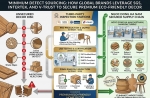
To eliminate these systemic vulnerabilities, Ngoc Dong Ha Nam partnered with the retailer to overhaul their supply chain from raw material harvesting to final port delivery. We implemented a rigorous, certified four-tier risk mitigation framework designed to prevent damage at the source and establish a frictionless B2B claims protocol.
1. Precision Moisture Control and Material Treatment
We introduced advanced kiln-drying controls at our Ha Nam facility. Natural fibers like water hyacinth and seagrass are highly hygroscopic. By implementing digital moisture meters at multiple production stages, we guaranteed that every handwoven piece maintained a moisture content strictly below 12% before entering the packaging phase. Furthermore, eco-friendly, non-toxic anti-mold treatments were applied, aligned with strict European REACH regulations, preserving both product integrity and environmental safety.
2. Multi-Barrier Protective Packaging
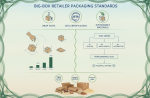
Standard packaging is insufficient for transoceanic voyages. We engineered a customized, multi-barrier packaging system. This included wrapping products in moisture-resistant inner liners, placing high-absorption silica gel desiccant packets inside each master carton, and utilizing heavy-duty, double-walled corrugated boxes tested to withstand high crushing pressures. This micro-climate packaging protected the natural fibers from the extreme temperature swings (container sweat) experienced when crossing the equator.
3. Standardized Pre-Shipment Inspection and Certifications
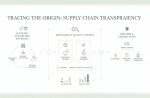
Transparency is the cornerstone of risk mitigation. Every batch underwent strict Pre-Shipment Inspection (PSI) based on Acceptable Quality Limit (AQL) 2.5 standards. As an FSC, BSCI, and SMETA certified manufacturer, Ngoc Dong Ha Nam ensured that all quality checks, social compliance standards, and material traceability audits were fully documented and shared with the retailer prior to container sealing, eliminating surprises at the destination port.
4. A Frictionless B2B Claims Charter
Recognizing that zero-risk is an ideal but mitigation requires practical safety nets, we co-created a B2B Claims Charter. Instead of demanding expensive and eco-unfriendly physical returns, we established a digital verification process. Under this agreement, the buyer submits high-resolution photos and video evidence of any damaged items within 30 days of container arrival. Validated claims are immediately settled via credit notes applied to the next order or direct replacement production, ensuring the buyer’s cash flow and inventory remain uninterrupted.
MEASURABLE SUCCESS: TRANSFORMING SUPPLY CHAIN VULNERABILITY INTO COMPETITIVE ADVANTAGE
The implementation of Ngoc Dong Ha Nam’s risk mitigation protocol yielded immediate, quantifiable results. Within twelve months of adopting the new system, the European retailer experienced a dramatic transformation in their import operations.
Key Operational and Financial Impacts:
By shifting from a reactive claims model to a proactive prevention and digital resolution framework, the retailer not only protected their profit margins but also reinforced their commitment to sustainability. Partnering with a certified, transparent manufacturer like Ngoc Dong Ha Nam proved that with the right quality controls and B2B protocols, international sourcing of natural fiber home decor can be as secure and predictable as domestic procurement.
FREQUENTLY ASKED QUESTIONS
How does Ngoc Dong Ha Nam prevent mold in natural fiber products during long sea transits?
We enforce strict moisture control, keeping natural fibers like seagrass and water hyacinth below 12% moisture content using digital kiln-drying. We also apply eco-friendly, REACH-compliant anti-mold treatments and use moisture-barrier packaging with high-grade silica desiccants inside double-walled master cartons.
What is the standard procedure for submitting a quality claim with Ngoc Dong Ha Nam?
Under our B2B Claims Charter, buyers do not need to ship damaged products back. Simply submit high-resolution photos and video evidence of the affected items within 30 days of container delivery. Once verified, we issue a credit note or arrange for free replacement items in your next shipment.
Are your manufacturing facilities certified to international standards?
Yes, Ngoc Dong Ha Nam is fully compliant with global standards, holding BSCI, SMETA, and FSC certifications. This ensures ethical labor practices, safe working conditions, and responsibly sourced, traceable raw materials for all our home decor products.
Can we conduct third-party inspections before the goods are shipped?
Absolutely. We welcome and facilitate pre-shipment inspections (PSI) by international third-party agencies such as SGS, TÜV Rheinland, or Bureau Veritas at our factory prior to container loading to ensure complete transparency.