Resources/ Blog

How to Master the Consolidated Shipment Strategy: Mixing Wood, Bamboo, and Natural Fibers

Key Takeaways

  • Consolidated shipments reduce freight costs by maximizing container space through nesting smaller natural fiber items inside wooden furniture.
  • Mixing materials like FSC-certified Acacia, bamboo, and rattan requires strict moisture control and strategic container loading.
  • Partnering with a single manufacturer holding BSCI, SMETA, and FSC certifications simplifies customs documentation for mixed materials.
  • A mixed-material strategy allows interior designers to source cohesive, eco-friendly home decor collections in a single order.

Introduction: The Power of Consolidated Shipments

As a global buyer or interior designer, balancing inventory diversity with shipping costs is a constant challenge. Consolidated shipments—mixing natural materials like FSC-certified Acacia wood, bamboo, seagrass, rattan, and water hyacinth in a single container—offer a sustainable and cost-effective solution.

This guide will show you exactly how to execute a mixed-material shipment strategy that meets international compliance standards like BSCI and SMETA while keeping your home decor collections fresh and eco-friendly.

Prerequisites: What You Need Before Mixing Materials

Essential Requirements

  • A Reliable Manufacturing Partner: Ensure your supplier, like Ngoc Dong Ha Nam, has expertise in handling diverse materials under one roof.
  • Compliance Knowledge: Familiarize yourself with FSC, BSCI, and SMETA certifications to guarantee sustainable and ethical sourcing.
  • Moisture Control Strategy: Different natural fibers have varying moisture tolerances that must be managed.

Step 1: Curate a Cohesive Material Palette

Start by selecting materials that complement each other aesthetically and structurally. Pair the robust durability of Acacia wood with the intricate textures of rattan or water hyacinth.

Design Synergy

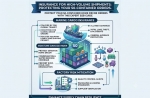
For modern bohemian or wabi-sabi collections, mix sleek bamboo accents with woven seagrass baskets. This not only creates a compelling product line for interior designers but also maximizes container space by nesting smaller fiber items inside larger wooden furniture pieces.

Step 2: Optimize Packaging and Container Loading

The secret to a successful consolidated shipment lies in smart packaging.

Nesting and Stacking

  • Heavy to Light: Place solid Acacia or bamboo furniture at the base of the container.
  • Fill the Gaps: Use soft, pliable water hyacinth or seagrass decor items to fill empty spaces, acting as natural cushioning.
  • Moisture Management: Include silica gel packets and ensure container ventilation to protect rattan and bamboo from mold during transit.

Step 3: Verify Certifications and Customs Documentation

Mixing materials means dealing with diverse customs regulations. Ensure your supplier provides comprehensive documentation for every material type.

Your checklist should include FSC certificates for wood, phytosanitary certificates for natural fibers like seagrass and rattan, and audit reports (BSCI, SMETA) to prove ethical manufacturing. Clear paperwork prevents delays at the port and reinforces your brand's commitment to ESG goals.

Step 4: Partner with a One-Stop Sustainable Manufacturer

Managing multiple suppliers for a single mixed container is a logistical nightmare. The ultimate step is partnering with a consolidated manufacturer.

At Ngoc Dong Ha Nam, we process wood, bamboo, and natural fibers within a unified, BSCI-compliant facility. This guarantees consistent quality, synchronized production timelines, and seamless container loading for your global home decor brand.

Conclusion: Elevate Your Supply Chain Today

Adopting a consolidated shipment strategy for wood, bamboo, and natural fibers is a game-changer for B2B buyers. It reduces carbon footprint, slashes freight costs, and delivers a rich, textured catalog to your customers.

Ready to optimize your next order? Contact Ngoc Dong Ha Nam today to design your custom mixed-material container and bring sustainable luxury to your market.

Frequently Asked Questions

What is a consolidated shipment in home decor sourcing?

It is a logistics strategy where multiple product types and materials, such as wood furniture and woven seagrass baskets, are combined into a single shipping container to reduce freight costs and inventory risks.

How do you prevent mold when shipping mixed natural materials?

Mold prevention requires strict moisture content control before packing, strategic use of silica gel or desiccants, proper container ventilation, and separating materials with different moisture tolerances.

Why are FSC and BSCI certifications important for mixed shipments?

FSC ensures wood and bamboo are sustainably harvested, while BSCI guarantees ethical labor practices. Having these certifications prevents customs delays and meets the ESG requirements of global buyers.

Can I mix water hyacinth and Acacia wood in one container?

Yes, heavy Acacia wood items can be loaded at the bottom, while lightweight water hyacinth products can be nested or placed on top, optimizing space and protecting fragile items.

 

Other articles

FROM WETLAND TO SHOWROOM: THE TRUE STORY OF HOW LONG NATURAL FIBER BASKETS LAST

FROM WETLAND TO SHOWROOM: THE TRUE STORY OF HOW LONG NATURAL FIBER BASKETS LAST

Key Takeaways

  • Consolidated shipments reduce freight costs by maximizing container space through nesting smaller natural fiber items inside wooden furniture.
  • Mixing materials like FSC-certified Acacia, bamboo, and rattan requires strict moisture control and strategic container loading.
  • Partnering with a single manufacturer holding BSCI, SMETA, and FSC certifications simplifies customs documentation for mixed materials.
  • A mixed-material strategy allows interior designers to source cohesive, eco-friendly home decor collections in a single order.
The Circular Economy Blueprint: Why Upcycled Natural Handicrafts Are the Ultimate Sourcing Strategy for Modern Retailers and Designers

The Circular Economy Blueprint: Why Upcycled Natural Handicrafts Are the Ultimate Sourcing Strategy for Modern Retailers and Designers

Key Takeaways

  • Consolidated shipments reduce freight costs by maximizing container space through nesting smaller natural fiber items inside wooden furniture.
  • Mixing materials like FSC-certified Acacia, bamboo, and rattan requires strict moisture control and strategic container loading.
  • Partnering with a single manufacturer holding BSCI, SMETA, and FSC certifications simplifies customs documentation for mixed materials.
  • A mixed-material strategy allows interior designers to source cohesive, eco-friendly home decor collections in a single order.
Are Your Wooden Kitchenware Imports Truly Food-Safe? The B2B Buyer’s Guide to Toxic-Free Finishes

Are Your Wooden Kitchenware Imports Truly Food-Safe? The B2B Buyer’s Guide to Toxic-Free Finishes

Key Takeaways

  • Consolidated shipments reduce freight costs by maximizing container space through nesting smaller natural fiber items inside wooden furniture.
  • Mixing materials like FSC-certified Acacia, bamboo, and rattan requires strict moisture control and strategic container loading.
  • Partnering with a single manufacturer holding BSCI, SMETA, and FSC certifications simplifies customs documentation for mixed materials.
  • A mixed-material strategy allows interior designers to source cohesive, eco-friendly home decor collections in a single order.
5 Reasons Why Bamboo is the 'Green Gold' of 21st-Century Interior Design

5 Reasons Why Bamboo is the 'Green Gold' of 21st-Century Interior Design

Key Takeaways

  • Consolidated shipments reduce freight costs by maximizing container space through nesting smaller natural fiber items inside wooden furniture.
  • Mixing materials like FSC-certified Acacia, bamboo, and rattan requires strict moisture control and strategic container loading.
  • Partnering with a single manufacturer holding BSCI, SMETA, and FSC certifications simplifies customs documentation for mixed materials.
  • A mixed-material strategy allows interior designers to source cohesive, eco-friendly home decor collections in a single order.
5 Uncompromising Reasons Why Eco-Conscious Consumers Choose Natural Fibers Over Synthetics (and What It Means for B2B Retailers)

5 Uncompromising Reasons Why Eco-Conscious Consumers Choose Natural Fibers Over Synthetics (and What It Means for B2B Retailers)

Key Takeaways

  • Consolidated shipments reduce freight costs by maximizing container space through nesting smaller natural fiber items inside wooden furniture.
  • Mixing materials like FSC-certified Acacia, bamboo, and rattan requires strict moisture control and strategic container loading.
  • Partnering with a single manufacturer holding BSCI, SMETA, and FSC certifications simplifies customs documentation for mixed materials.
  • A mixed-material strategy allows interior designers to source cohesive, eco-friendly home decor collections in a single order.
From Forest to Tabletop: The Global Buyer’s Guide to Deforestation-Free Acacia Decor

From Forest to Tabletop: The Global Buyer’s Guide to Deforestation-Free Acacia Decor

Key Takeaways

  • Consolidated shipments reduce freight costs by maximizing container space through nesting smaller natural fiber items inside wooden furniture.
  • Mixing materials like FSC-certified Acacia, bamboo, and rattan requires strict moisture control and strategic container loading.
  • Partnering with a single manufacturer holding BSCI, SMETA, and FSC certifications simplifies customs documentation for mixed materials.
  • A mixed-material strategy allows interior designers to source cohesive, eco-friendly home decor collections in a single order.
The B2B Buyer's Guide: How to Maintain the Premium Beauty of Handcrafted Water Hyacinth Decor

The B2B Buyer's Guide: How to Maintain the Premium Beauty of Handcrafted Water Hyacinth Decor

Key Takeaways

  • Consolidated shipments reduce freight costs by maximizing container space through nesting smaller natural fiber items inside wooden furniture.
  • Mixing materials like FSC-certified Acacia, bamboo, and rattan requires strict moisture control and strategic container loading.
  • Partnering with a single manufacturer holding BSCI, SMETA, and FSC certifications simplifies customs documentation for mixed materials.
  • A mixed-material strategy allows interior designers to source cohesive, eco-friendly home decor collections in a single order.
US Retailers Mandate FSC-Certified Wood for 2026: The Critical Compliance Shift B2B Buyers Cannot Ignore

US Retailers Mandate FSC-Certified Wood for 2026: The Critical Compliance Shift B2B Buyers Cannot Ignore

Key Takeaways

  • Consolidated shipments reduce freight costs by maximizing container space through nesting smaller natural fiber items inside wooden furniture.
  • Mixing materials like FSC-certified Acacia, bamboo, and rattan requires strict moisture control and strategic container loading.
  • Partnering with a single manufacturer holding BSCI, SMETA, and FSC certifications simplifies customs documentation for mixed materials.
  • A mixed-material strategy allows interior designers to source cohesive, eco-friendly home decor collections in a single order.
The State of Sustainable Material Science: How Carbonized Bamboo is Redefining Durability and Mold Resistance in Global Home Decor

The State of Sustainable Material Science: How Carbonized Bamboo is Redefining Durability and Mold Resistance in Global Home Decor

Key Takeaways

  • Consolidated shipments reduce freight costs by maximizing container space through nesting smaller natural fiber items inside wooden furniture.
  • Mixing materials like FSC-certified Acacia, bamboo, and rattan requires strict moisture control and strategic container loading.
  • Partnering with a single manufacturer holding BSCI, SMETA, and FSC certifications simplifies customs documentation for mixed materials.
  • A mixed-material strategy allows interior designers to source cohesive, eco-friendly home decor collections in a single order.
Seagrass vs. Rattan: The Ultimate Buyer's Guide to Dominating the 2026 Summer Home Decor Market

Seagrass vs. Rattan: The Ultimate Buyer's Guide to Dominating the 2026 Summer Home Decor Market

Key Takeaways

  • Consolidated shipments reduce freight costs by maximizing container space through nesting smaller natural fiber items inside wooden furniture.
  • Mixing materials like FSC-certified Acacia, bamboo, and rattan requires strict moisture control and strategic container loading.
  • Partnering with a single manufacturer holding BSCI, SMETA, and FSC certifications simplifies customs documentation for mixed materials.
  • A mixed-material strategy allows interior designers to source cohesive, eco-friendly home decor collections in a single order.
{ "@context": "https://schema.org", "@type": "BlogPosting", "headline": "How to Master the Consolidated Shipment Strategy: Mixing Wood, Bamboo, and Natural Fibers", "description": "Learn how to optimize costs and diversify your home decor inventory with a consolidated shipment strategy mixing FSC wood, bamboo, and natural fibers.", "image": "https://ngocdonghanam.com/placeholder-image.jpg", "author": { "@type": "Organization", "name": "Ngoc Dong Ha Nam" }, "publisher": { "@type": "Organization", "name": "Ngoc Dong Ha Nam", "logo": { "@type": "ImageObject", "url": "https://ngocdonghanam.com/logo.jpg" } }, "datePublished": "2026-04-25" }
+84912060877