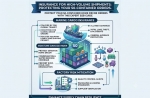
Introduction: The Impact of the Lunar New Year on Global Supply Chains
For global buyers, procurement managers, and interior designers, sourcing sustainable home decor from Vietnam offers unparalleled access to exquisite craftsmanship and eco-friendly materials. However, there is one annual event that fundamentally disrupts the global supply chain: Tet, or the Lunar New Year. As the most significant cultural celebration in Vietnam, Tet is not merely a public holiday; it is a profound nationwide pause. Factories close, raw material harvesting halts, and logistics networks slow to a standstill for up to three weeks. For the unprepared buyer, this translates to severe production delays, compromised quality, and empty retail shelves during crucial Q1 and Q2 sales periods.
As the Marketing Director and Sustainable Supply Chain Consultant at Ngoc Dong Ha Nam, I have witnessed firsthand how the "Tet effect" ripples through the international B2B landscape. The demand for biophilic design and natural materials—such as Bamboo, Rattan, Seagrass, and Water Hyacinth—is at an all-time high. Yet, the seasonal nature of these materials, combined with the hard stop of the Lunar New Year, creates a perfect storm for supply chain bottlenecks. This comprehensive guide is designed to capture your attention and equip you with the strategic foresight needed to navigate the Tet season. By following these proven steps, you will transform a period of traditional vulnerability into a competitive advantage, ensuring your sustainable home decor collections arrive on time, on budget, and to the highest international standards.
Prerequisites: What You Need Before the Pre-Tet Rush Begins
Before diving into the operational steps of pre-Tet sourcing, it is vital to establish a strong foundational strategy. Successfully navigating the Lunar New Year requires preparation months in advance. Think of this phase as building the infrastructure for your supply chain resilience. To effectively execute the steps in this guide, global buyers and interior design firms must have three critical prerequisites in place.
- Finalized Product Specifications: In the B2B home decor sector, ambiguity is the enemy of speed. Ensure that all tech packs, material choices (e.g., specifying FSC-certified Acacia versus standard Acacia), finishes, and dimensions are strictly finalized. The pre-Tet rush leaves no room for back-and-forth design revisions.
- Robust Demand Forecasting: You must have a clear understanding of your inventory needs for the first half of the year. Because factories will be offline in February and recovering in March, your pre-Tet orders must cover your sales projections through at least May.
- A Transparent Manufacturing Partnership: Your supplier must be more than a vendor; they must be a strategic partner. Aligning with a manufacturer like Ngoc Dong Ha Nam, which holds BSCI, FSC, and SMETA certifications, ensures that your partner has the institutional capacity and ethical framework to handle high-pressure production without cutting corners.
With these prerequisites locked in, you are ready to implement a proactive sourcing strategy that will safeguard your supply chain against the inevitable disruptions of the Lunar New Year.
Step 1: Map Out the Tet Timeline and Establish Strict Cut-off Dates
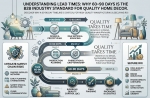
The most common mistake international buyers make is treating Tet as a standard one-week holiday. In reality, the disruption spans nearly two months. To avoid delays, you must map out the entire timeline and establish unyielding cut-off dates for your procurement team. Tet typically falls between late January and mid-February, but the operational impact begins much earlier.
The Strategic Pre-Tet Timeline
September to October: The Planning Phase. This is when you should be finalizing your purchase orders (POs) for Q1 and Q2 deliveries. Factories are beginning to schedule their pre-Tet production rosters. If your PO is not in the queue by October, you risk being pushed to the post-Tet schedule.
November: The Procurement Phase. Manufacturers use this month to secure all necessary raw materials. In the sustainable home decor industry, this is crucial. Materials like Seagrass and Water Hyacinth must be harvested and properly sun-dried. A delay in November means wet, unusable materials in December.
December to Early January: The Production Peak. This is the most intense period on the factory floor. Capacity is maxed out as manufacturers race to complete orders. This is also when quality control (QC) becomes paramount.
Late January to February: The Shutdown. Factories close down completely for two to three weeks. Workers return to their home provinces. Communication will be minimal, and zero production occurs.
March: The Recovery. Even after the holiday officially ends, it takes factories one to two weeks to stabilize their workforce and ramp back up to full production capacity. By understanding this extended timeline, you can reverse-engineer your ordering schedule to ensure your goods are on the water before the first factory light is turned off.
Step 2: Forecast and Secure Natural Raw Materials Early
When sourcing sustainable home decor, you are not just buying a product; you are buying a piece of nature. Natural materials are inherently seasonal and highly sensitive to weather conditions, making early procurement an absolute necessity. During the pre-Tet rush, the demand for raw materials spikes, leading to potential shortages and aggressive price increases. Securing your materials early is the ultimate strategy for cost control and quality assurance.
Understanding Material Nuances
- Water Hyacinth and Seagrass: These materials require extensive sun-drying to achieve the perfect moisture content for weaving and to prevent mold during shipping. In Northern Vietnam, the winter months leading up to Tet can be damp. Securing your order early allows your manufacturing partner to harvest and dry these materials during optimal weather windows.
- Bamboo and Rattan: These sturdy materials require meticulous treatment processes to ensure they are pest-resistant and durable for high-end interior design applications. Rushing the boiling and curing process of rattan to meet a pre-Tet deadline will result in brittle furniture and dissatisfied end-consumers.
- Acacia Wood: If your designs incorporate wood, particularly FSC-certified Acacia, lead times are naturally longer. The Forest Stewardship Council (FSC) chain of custody requires rigorous documentation. Furthermore, the wood must be properly kiln-dried to prevent warping. Booking your capacity early ensures the wood is sourced legally, sustainably, and is perfectly acclimated for production.
By forecasting your needs and locking in POs early, you empower your manufacturer to secure these raw materials before the pre-Tet scarcity hits, ensuring your products are crafted from the highest-grade natural resources available.
Step 3: Align Production with International Standards (BSCI, FSC, SMETA)
The pre-Tet period is notorious for creating a pressure cooker environment in manufacturing hubs. In uncertified, lower-tier factories, the race to ship orders before the holiday often leads to severe ethical and quality compromises. Workers may be forced into excessive, unpaid overtime, and safety protocols are frequently ignored. For a global buyer, associating with such practices is a massive reputational risk. This is where your choice of a manufacturing partner becomes your strongest defense.
To avoid delays without compromising your brand's integrity, you must align your production with strict international standards. Certifications like BSCI (Business Social Compliance Initiative) and SMETA (Sedex Members Ethical Trade Audit) are not just badges on a website; they are operational frameworks that ensure a factory manages its capacity responsibly.
At Ngoc Dong Ha Nam, our adherence to BSCI and SMETA means we do not take on more orders than our workforce can safely and ethically handle. We utilize advanced capacity planning to ensure that even during the December rush, our artisans are working within legal hours in a safe environment. This ethical approach directly translates to product quality. An exhausted artisan cannot execute the intricate weaving required for premium rattan baskets or water hyacinth furniture. By insisting on these standards, you are not only championing human rights in the supply chain, but you are also guaranteeing that the final product delivered to your interior design clients is flawless, regardless of the season.
Step 4: Implement a Buffer Strategy for Shipping and Quality Control
Manufacturing the product is only half the battle; getting it out of the country before the ports close is the final, critical hurdle. The weeks leading up to Tet see an unprecedented volume of goods flooding into ports like Hai Phong and Ho Chi Minh City. This congestion inevitably leads to rolled cargo, container shortages, and blank sailings (canceled routes by shipping lines). If your goods miss the final pre-Tet vessel, they will sit in a warehouse for a month.
Logistics and QC Best Practices
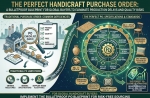
To secure your logistics, you must implement a robust buffer strategy. First, book your shipping containers four to six weeks in advance of the vessel departure date. Do not wait for the goods to be finished before contacting your freight forwarder. Second, build a two-week buffer into your lead time. If you need the goods to sail on January 15th, your target completion date at the factory should be January 1st. This buffer absorbs any minor production hiccups and provides ample time for inland transportation to the congested port.
Equally important is scheduling your Quality Control (QC) inspections. Third-party QC agencies are stretched incredibly thin in the weeks before Tet. Book your inspection dates at the same time you issue your PO. Ensure that the QC occurs at least ten days before the planned vessel departure. If the inspection reveals minor defects, the factory needs a realistic window to perform rework before the workers leave for the holiday. By mastering this logistics and QC buffer, you ensure a smooth, stress-free handover from the factory floor to the ocean freighter.
Conclusion: Partner with a Resilient, Sustainable Supply Chain Expert
Navigating the Lunar New Year disruption does not have to be a source of anxiety for your procurement team. By understanding the extended timeline, securing natural materials like bamboo and seagrass early, upholding stringent BSCI and SMETA ethical standards, and building strategic logistical buffers, you can bypass the chaos that plagues unprepared buyers. The key to this entire strategy is proactive collaboration.
At Ngoc Dong Ha Nam, we specialize in turning supply chain vulnerabilities into strengths. As a premier manufacturer of sustainable home decor, we combine artisanal heritage with world-class, certified B2B operations. We understand the intricacies of FSC-certified wood and the delicate harvesting of water hyacinth, ensuring your interior design collections are both beautiful and ethically sound. Do not wait for the pre-Tet rush to dictate your business outcomes. Take action today. Reach out to the Ngoc Dong Ha Nam team to discuss your Q1 and Q2 forecasting, secure your production capacity, and build a resilient, sustainable supply chain that thrives year-round.
Frequently Asked Questions
How long do factories in Vietnam close for the Lunar New Year?
Factories typically close for two to three weeks, but the total disruption spans up to six weeks. This includes a ramp-down period before the holiday and a post-holiday recovery phase where the workforce stabilizes.
Why is early material procurement critical for sustainable home decor?
Natural materials like water hyacinth, seagrass, and rattan require specific seasonal harvesting and extensive sun-drying times. Rushing this process leads to mold and brittle products, which is why materials must be secured months before Tet.
How does the pre-Tet rush affect product quality?
In uncertified factories, the rush to finish orders often leads to excessive overtime and rushed craftsmanship, resulting in high defect rates. Partnering with BSCI and SMETA certified factories ensures capacity is managed ethically, maintaining high quality.
When should I book my shipping containers for pre-Tet delivery?
It is highly recommended to book shipping containers 4 to 6 weeks in advance of your target departure date. Ports experience severe congestion before Tet, leading to container shortages and rolled cargo.