THE SHIFT TOWARD LEGACY: WHY MODERN BUYERS CHOOSE HANDCRAFTED DURABILITY
The Evolution of the Global Home Decor Market
In the rapidly evolving global home decor market, a profound shift is occurring. International buyers, interior designers, and major retail chains are moving away from mass-produced, disposable homeware. Today's conscious consumers demand products that tell a story, respect the planet, and stand the test of time. This guide explores the strategic journey of sourcing premium, sustainable handcrafted home decor from Vietnam, tracing the legacy of Ngoc Dong Ha Nam from our ethical factory floor directly to global family living spaces. For B2B buyers, importing natural fiber products is not merely a transactional purchase; it is an investment in brand equity, environmental stewardship, and supply chain reliability. By aligning with a manufacturer that bridges traditional Vietnamese craftsmanship with world-class industrial compliance, global brands can secure unique, high-margin collections that resonate with modern eco-conscious demographics. Let us examine how to navigate this sourcing process to secure pieces that carry a lasting legacy.
THE SUSTAINABLE MATERIALS CHECKLIST: SELECTING THE RIGHT NATURAL FIBERS AND WOODS
The Foundation of Legacy Craftsmanship
The foundation of any legacy home decor piece lies in the raw materials selected. For global buyers, understanding the unique characteristics, strength profiles, and sustainability metrics of Vietnamese natural fibers is critical to making informed procurement decisions. At Ngoc Dong Ha Nam, we utilize a curated selection of premium, renewable resources, each offering distinct advantages for specific design applications.
1. Acacia Wood: The Durable Hardwood Standard
Acacia is highly valued for its dense grain, natural water resistance, and exceptional durability. It serves as an excellent material for structural furniture, heavy-duty kitchenware, and outdoor decor. When sourcing Acacia, global buyers must verify FSC (Forest Stewardship Council) certification to ensure the wood is harvested from responsibly managed forests that provide environmental, social, and economic benefits. Acacia's natural resistance to scratching and warping makes it a prime candidate for high-traffic household items.
2. Bamboo: The Ultimate Renewable Strength
With a tensile strength that rivals steel, bamboo is one of the most versatile materials in sustainable design. It can be woven, coiled, or laminated into sleek, modern shapes. Bamboo products are highly resistant to warping and shrinking, making them ideal for high-humidity environments. Its rapid growth cycle makes it a cornerstone of circular economy product development. We source our bamboo locally, supporting regional farmers while ensuring raw material freshness and quality.
3. Seagrass and Water Hyacinth: Organic Warmth and Flexibility
Seagrass and water hyacinth are the premier choices for soft-textured, woven baskets, storage bins, and decorative wall art. Seagrass offers a firm, structured weave with a natural greenish-gold hue that matures beautifully over time. Water hyacinth, known for its thick, cushion-like fibers, provides a softer, chunky texture that adds rich warmth and organic depth to any interior space. Both materials are highly renewable and biodegradable, making them excellent alternatives to synthetic plastics.
4. Rattan: Timeless Flexibility and Structural Integrity
Rattan remains the gold standard for lightweight, durable furniture frames and intricate weaving patterns. Its flexibility allows artisans to create complex, ergonomic curves that are impossible to replicate with synthetic materials. High-quality rattan is resistant to splintering and can withstand decades of daily use, making it a true heirloom material. By utilizing premium-grade rattan, we ensure that our woven furniture maintains its form and strength across generations.
Step 1: Audit and Verify Compliance Standards (BSCI, SMETA, FSC)
Securing Supply Chain Integrity
Ethical sourcing is no longer an optional marketing highlight; it is a strict regulatory and consumer requirement in markets across North America, Europe, and Japan. To safeguard your brand reputation and ensure uninterrupted customs clearance, global buyers must establish a rigorous verification process for factory compliance. Partnering with certified manufacturers like Ngoc Dong Ha Nam guarantees that your supply chain adheres to the highest international ethical standards.
Verifying Social Compliance via BSCI and SMETA
Before placing bulk orders, buyers should request comprehensive audit reports. The Business Social Compliance Initiative (BSCI) and Sedex Members Ethical Trade Audit (SMETA) are the industry standards for evaluating labor conditions. These audits verify that the manufacturing facility provides fair wages, safe working environments, reasonable working hours, and strictly prohibits child or forced labor. Ngoc Dong Ha Nam maintains active, high-score BSCI and SMETA certifications, reflecting our deep commitment to our community of artisans and factory workers in Ha Nam province.
Ensuring Traceability with FSC Certification
For all wood and bamboo products, traceability is paramount. The Forest Stewardship Council (FSC) chain-of-custody certification ensures that every piece of timber or bamboo used in your product line can be tracked back to a sustainably managed forest. This certification is crucial for complying with international timber regulations, such as the EU Timber Regulation (EUTR) and the Lacey Act in the United States. Ensure your supplier provides valid FSC invoices and documentation for every shipment to guarantee full compliance.
Step 2: Collaborate on Co-Design and Tailored Prototyping
Bridging Tradition and Modern Design
The bridge between traditional artisan techniques and modern global home decor trends is built through collaborative design. To create exclusive collections that stand out in competitive retail markets, buyers and interior designers must establish an agile, communicative co-design workflow with the manufacturer's engineering team.
Translating Concepts into Technical Blueprints
The customization process begins with sharing detailed CAD drawings, 3D models, or inspiration mood boards. A sophisticated manufacturer will translate these concepts into technical production blueprints, adjusting weave patterns, structural framing, and joint connections to ensure both aesthetic beauty and structural integrity. At Ngoc Dong Ha Nam, our experienced design department collaborates closely with international design teams, ensuring that modern Western or Japanese design sensibilities are perfectly integrated with traditional Vietnamese hand-weaving heritages.
The Prototyping Phase and Material Harmonization
Before launching full-scale production, requesting a physical sample is an essential quality gate. During this phase, buyers can evaluate the physical handfeel, color accuracy, and weight distribution of the piece. This is also the time to select custom, eco-friendly finishes. Ngoc Dong Ha Nam utilizes advanced, lead-free, water-based polyurethane (PU) coatings and non-toxic dyes that protect the natural fibers from environmental wear while ensuring the products remain completely safe for families and pets. Our prototyping timeline is highly optimized, allowing for rapid iterations and quick time-to-market.
Step 3: Monitor the Artisanal Production and Multi-Tier Quality Control
Mastering the Craftsmanship Process
Handcrafting natural materials requires an exceptional level of skill and rigorous quality control (QC) at every stage of production. A single flaw in the preparation of raw materials or the tension of a weave can compromise the durability of the final piece. Understanding this production flow allows buyers to monitor quality milestones effectively.
The Handcrafting Production Flow
The journey of a Ngoc Dong piece begins with the careful harvesting and drying of natural fibers. Once dried, materials undergo sorting and grading to ensure uniform thickness and color. Next, skilled artisans execute the weaving process, applying precise tension to create consistent, durable patterns. For furniture and larger decor items, the woven panels are securely mounted onto sturdy wooden or metal frames, ensuring maximum structural stability. This combination of hand-weaving and structural engineering ensures that each product is built to last.
The Critical Role of Moisture Control
The greatest challenge in manufacturing natural fiber products is moisture. High moisture content leads to mold growth and structural warping during shipping and storage. To prevent this, Ngoc Dong Ha Nam implements a strict, multi-tier moisture control protocol. Raw materials and semi-finished goods are subjected to controlled kiln-drying, and digital moisture meters are used to verify that internal moisture levels remain strictly between 8% and 12% before any finishing coat is applied. This scientific approach ensures that your products will withstand diverse global climates without cracking or molding.
Final Quality Assurance Inspections
Before packaging, every item undergoes a comprehensive final inspection. QC inspectors check for weave consistency, structural alignment, smooth sanding of wooden components, and the flawless application of protective coatings. Any piece that does not meet our rigorous standards is returned to the artisan workshop for correction, ensuring that only flawless, premium-grade pieces leave our factory floor.
Step 4: Streamline International Logistics and Container Optimization
Ensuring Safe and Efficient Global Shipping
Sourcing exceptional products is only half the battle; ensuring they arrive at your global distribution centers safely, economically, and on schedule is equally vital. International shipping presents unique challenges for natural fiber home decor, requiring specialized packaging and strategic logistics management.
Maximizing Container Loadability (CBM Optimization)
Shipping costs are a major factor in B2B profitability. To minimize freight costs, buyers must work with manufacturers who understand how to optimize Cubic Meter (CBM) volume. Ngoc Dong Ha Nam designs products with nestability and knock-down (KD) structures in mind. Baskets are engineered to nest perfectly inside one another, and furniture pieces are designed for easy assembly, significantly reducing the shipping volume and maximizing the number of units per container. This careful planning directly translates to lower shipping costs and a reduced carbon footprint per item.
Advanced Protective Packaging and Anti-Mold Measures
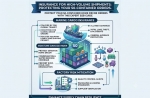
During maritime transit, containers experience extreme temperature fluctuations and high humidity, creating a high-risk environment for natural materials. To protect your investment, we utilize heavy-duty, moisture-resistant master cartons. Inside the packaging, we deploy industrial-grade silica gel desiccants, moisture-barrier polybags, and specialized container dry bags to absorb excess humidity. This comprehensive protection strategy ensures that your shipment remains dry, fresh, and ready for immediate retail display upon arrival at your warehouse.
Step 5: Provide Post-Purchase Care Guidelines for Generational Durability
Empowering the End-Consumer for Longevity
The true legacy of a handcrafted piece is realized when it transitions from the retail shelf to the family home, enduring as a functional work of art for generations. Educating your end-consumers on proper care not only enhances their satisfaction but also reduces product return rates and fosters long-term brand loyalty.
Simple, Effective Care Instructions for Natural Fibers
Global buyers and interior designers should include clear care guidelines with every product sold. To maintain the beauty and structural integrity of natural materials, consumers should be advised to: 1) Avoid direct, prolonged exposure to harsh sunlight to prevent color fading; 2) Keep products in well-ventilated, dry indoor spaces to prevent moisture buildup; 3) Clean gently using a soft, dry cloth or a soft-bristle brush to remove dust; and 4) Promptly wipe away any spills with a slightly damp cloth and allow the piece to air dry completely. By providing these simple guidelines, you empower consumers to preserve the natural warmth and legacy of their handcrafted home decor, ensuring it remains a cherished part of their household for years to come.
PARTNERING FOR A SUSTAINABLE FUTURE: YOUR NEXT STEPS WITH NGOC DONG
A Long-Term B2B Sourcing Partnership
Sourcing handcrafted home decor that bridges factory precision with familial legacy requires a partner dedicated to excellence, ethical compliance, and environmental responsibility. Ngoc Dong Ha Nam combines decades of traditional Vietnamese craftsmanship with state-of-the-art manufacturing processes and international compliance standards. By choosing to partner with us, you secure a reliable, high-capacity supply chain that delivers beautiful, sustainable, and exceptionally durable products to your global clientele.
We invite global buyers, sourcing agents, and interior designers to explore our extensive collections of Acacia, Bamboo, Seagrass, Rattan, and Water Hyacinth products. Contact our B2B sales team today to request our latest product catalog, discuss custom OEM/ODM designs, or schedule a physical or virtual tour of our certified manufacturing facilities in Ha Nam, Vietnam. Let us work together to bring sustainable, handcrafted legacy pieces into homes worldwide.
Frequently Asked Questions
How does Ngoc Dong Ha Nam guarantee the quality and durability of its handcrafted products?
We implement a strict multi-tier quality control process, monitoring moisture levels between 8% and 12%, and using eco-friendly, non-toxic finishes to prevent mold and ensure structural integrity.
What ethical and environmental certifications does Ngoc Dong Ha Nam hold?
Ngoc Dong Ha Nam is fully compliant with global standards, holding BSCI, SMETA, and FSC certifications, which verify our commitment to ethical labor practices and sustainable material sourcing.
Can global buyers customize designs for bulk orders?
Yes, we specialize in OEM and ODM services. Our in-house design team collaborates with international buyers to transform CAD drawings and concepts into physical prototypes with custom weaves, colors, and dimensions.
How do you protect natural fiber home decor from damage and mold during maritime shipping?
We optimize container loadability and use advanced anti-mold solutions, including industrial-grade silica gel desiccants and moisture-barrier packaging, ensuring products arrive in pristine condition.