THE NEW GREEN BORDER: WHY CBAM IS REDEFINING GLOBAL HOME DECOR SOURCING
The Carbon Border Adjustment Mechanism (CBAM) is a landmark environmental regulation designed to impose a carbon price on carbon-intensive goods entering the European Union, fundamentally reshaping global home decor supply chains by penalizing high-emission manufacturing. As governments worldwide accelerate their net-zero commitments, traditional sourcing models focused solely on cost and lead times are rapidly becoming obsolete. For global B2B buyers, retailers, and interior designers, CBAM represents the vanguard of a broader regulatory wave that will soon penalize products with heavy environmental footprints.
The Mechanics of CBAM and Its Global Ripple Effects
Initially targeting carbon-intensive heavy industries such as steel, cement, aluminum, and fertilizers, the underlying philosophy of CBAM is rapidly expanding to cover consumer goods, including home decor and furniture components. The mechanism functions by requiring importers to purchase carbon certificates corresponding to the embedded emissions of their imported goods. This policy serves two critical purposes:
- Preventing Carbon Leakage: It ensures that EU-based manufacturers, who are subject to strict carbon pricing, are not undercut by cheaper, high-emission imports from countries with lax environmental laws.
- Encouraging Global Decarbonization: It incentivizes non-EU manufacturers to adopt cleaner production technologies to maintain their competitiveness in the European market.
As consumer awareness aligns with these stringent regulations, home decor brands must proactively adapt. Failing to transition to low-carbon supply chains today will inevitably result in severe import delays, financial penalties, and a catastrophic loss of brand equity in highly lucrative Western markets.
DECODING CBAM: WHY NATURAL MATERIALS ARE YOUR BEST SHIELD AGAINST CARBON TAXES
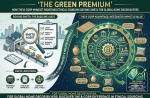
Sourcing rapidly renewable, natural materials like bamboo, rattan, seagrass, water hyacinth, and FSC-certified acacia wood is the most effective strategy for home decor buyers to completely bypass CBAM-related penalties and rising import costs. Unlike synthetic polymers, plastics, or heavy metals—which require energy-intensive chemical processes and fossil fuel consumption—natural fibers are inherently low-carbon and highly circular. In fact, many of these botanical resources act as active carbon sinks during their growth cycle, capturing atmospheric carbon dioxide and storing it within the physical structure of the finished home decor product.
Comparing Carbon Footprints: Synthetics vs. Natural Materials
To understand why natural materials provide a competitive shield under modern environmental frameworks, consider the structural and ecological differences outlined in the comparison table below:
|
Material Type
|
Carbon Intensity / Footprint
|
Renewability & Lifecycle
|
CBAM & Regulatory Risk
|
|
Synthetics & Plastics (PVC, Polyester, Polypropylene)
|
Extremely High (Fossil fuel extraction and refining)
|
Non-renewable; takes hundreds of years to degrade; high microplastic risk
|
High Risk (Subject to plastic taxes, carbon penalties, and packaging directives)
|
|
Metals & Concrete (Steel frames, aluminum accents)
|
Very High (Energy-intensive smelting and processing)
|
Recyclable but demands massive thermal energy inputs
|
Immediate Risk (Directly targeted under early phases of CBAM)
|
|
Natural Fibers (Bamboo, Rattan, Seagrass, Water Hyacinth)
|
Negligible / Negative (Naturally sequesters carbon during rapid growth)
|
Highly Renewable (Harvested in cycles of months to 3 years); fully biodegradable
|
Zero to Minimal Risk (Exempt from carbon tariffs; highly favored by green procurement)
|
|
FSC-Certified Acacia Wood
|
Low (Managed forests ensure continuous carbon absorption)
|
Sustainably managed; long lifespan; completely biodegradable at end-of-life
|
Safe (Meets strict EU Timber Regulations and EUDR requirements)
|
By shifting your product portfolio toward handcrafted natural homewares, you not only insulate your business from fluctuating carbon tariffs but also tap into the rapidly expanding consumer market that actively seeks out organic, biophilic designs. Bamboo and rattan are no longer just aesthetic choices; they are strategic economic assets.
FUTURE-PROOFING YOUR BRAND: THE COMPETITIVE EDGE OF CERTIFIED SUSTAINABLE MANUFACTURING
Aligning your supply chain with manufacturing partners who hold internationally recognized certifications like FSC, BSCI, and SMETA is the ultimate method to guarantee regulatory compliance, mitigate legal risks, and elevate your brand's market authority. In the modern B2B landscape, greenwashing is easily exposed, and regulatory bodies demand rigorous, verifiable proof of compliance throughout the entire custody chain. Buyers cannot rely on verbal assurances; they require transparent, third-party audited documentation to satisfy import authorities and corporate ESG mandates.
The Strategic Value of International Certifications
- Forest Stewardship Council (FSC): Verifies that wood and bamboo products are sourced from responsibly managed forests that provide environmental, social, and economic benefits. This is crucial for navigating both CBAM and the European Union Deforestation Regulation (EUDR).
- Business Social Compliance Initiative (BSCI): Guarantees that the artisans and factory workers crafting your home decor products are treated ethically, paid fair wages, and provided with safe, humane working conditions.
- SMETA (Sedex Members Ethical Trade Audit): Assesses a site based on its standards of labor, health and safety, environment, and business ethics, providing a universally trusted audit report for global retail giants.
When you source from a certified manufacturer, you eliminate the hidden liabilities of environmental degradation and labor exploitation. This transparency translates directly to your end consumers, who are increasingly willing to pay a premium for home decor that tells a story of ethical craftsmanship and ecological stewardship.
YOUR STRATEGIC ROADMAP: THREE STEPS TO SECURE A CBAM-COMPLIANT SUPPLY CHAIN TODAY
To successfully navigate the complexities of CBAM and secure your business future, global buyers must immediately audit their current supplier network, transition to certified natural materials, and establish long-term partnerships with compliant manufacturers. Proactive adaptation is far less costly than reactive crisis management when new import tariffs are fully enforced.
1. Conduct a Comprehensive Supply Chain Carbon Audit
Begin by mapping your entire supply chain. Identify which products rely heavily on carbon-intensive materials like plastics, metals, or uncertified virgin timber. Demand transparency regarding energy sources and manufacturing processes from your current vendors to isolate high-risk product lines.
2. Redesign Portfolios Around Rapidly Renewable Materials
Collaborate with your design teams to substitute high-emission synthetic components with sustainable alternatives. Replace plastic storage bins with hand-woven seagrass and water hyacinth baskets, and exchange metal kitchenware or synthetic furniture for FSC-certified acacia wood and bamboo accent pieces. These substitutions instantly lower your portfolio's carbon footprint.
3. Partner with Certified, Vertically Integrated Manufacturers
Establish strong, long-term relationships with established manufacturers who possess the infrastructure, international certifications, and scale to support your green transition. Vertically integrated factories in Southeast Asia, particularly Vietnam, offer the perfect combination of traditional craftsmanship, abundant natural materials, and modern compliance standards.
By taking these decisive steps, you transform regulatory compliance from a burdensome cost into a powerful market differentiator, positioning your brand as a leading voice in the global green transition.
This article is authored by Thong Nguyen – Co-owner & Sales Director at Ngoc Dong Ha Nam Co., Ltd. With 25+ years of experience managing and operating manufacturing facilities for export housewares and handicrafts, we specialize in providing high-quality bamboo, rattan, water hyacinth and natural acacia wood manufacturing solutions for global retail partners.
FREQUENTLY ASKED QUESTIONS
What is CBAM and how does it directly affect global home decor buyers?
CBAM (Carbon Border Adjustment Mechanism) is an EU environmental tariff designed to equalize the price of carbon emissions between domestic production and imports, directly impacting global home decor buyers by increasing the landing cost of high-emission, synthetic, or metal-based products.
Why are natural materials like bamboo and rattan considered CBAM-compliant?
Natural materials like bamboo, rattan, and seagrass are considered CBAM-compliant because they possess a remarkably low carbon footprint and naturally sequester carbon during their growth, making them exempt from carbon-related import penalties.
What certifications should B2B buyers look for to ensure sustainable sourcing?
B2B buyers should prioritize suppliers holding FSC (Forest Stewardship Council) certification for timber and bamboo traceability, alongside BSCI and SMETA audits to verify ethical labor and environmental compliance.
How does Vietnam fit into the future of sustainable home decor sourcing?
Vietnam is a premier sourcing destination for sustainable home decor due to its abundant natural materials, rich heritage of artisan craftsmanship, and manufacturing facilities like Ngoc Dong Ha Nam that adhere to strict international compliance standards.