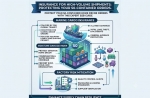
THE CHALLENGE: MEETING GLOBAL DEMAND FOR SUSTAINABLE HOME DECOR WITHOUT COMPROMISING THE ENVIRONMENT
In the dynamic and ever-evolving world of global home decor, B2B buyers, procurement managers, and interior designers face a critical dilemma. The demand for natural, artisanal products is at an all-time high, driven by end-consumers who crave authentic, eco-friendly living spaces. However, scaling the production of natural materials like Acacia, Bamboo, Seagrass, Rattan, and Water Hyacinth often comes with hidden environmental costs. Traditional manufacturing processes in developing regions can lead to resource depletion, excessive water usage, and unmanaged waste if not strictly regulated.
The Complexity of the Global Supply Chain
For decades, the handicraft industry relied on informal supply networks. While these networks supported local artisans, they lacked the transparency and systematic environmental controls required by modern international markets. Global retailers and interior design firms are no longer satisfied with aesthetic appeal alone; they require rigorous proof of sustainability. They need the assurance that their sourcing partners are not contributing to deforestation, pollution, or unethical labor practices.
At Ngoc Dong Ha Nam, we recognized this industry-wide gap. As a leading manufacturer in Vietnam, our challenge was clear: How do we preserve the rich heritage of Vietnamese craftsmanship while elevating our environmental and social governance to meet world-class standards? How do we provide our B2B partners with absolute peace of mind, knowing that every woven basket, rattan chair, or bamboo light fixture they purchase actively contributes to a greener planet?
Identifying the Bottlenecks in Sustainable Sourcing
Before implementing our ISO 14001 roadmap, we conducted a comprehensive audit of our supply chain. We identified several key bottlenecks that needed addressing. First, the tracing of raw materials like Seagrass and Water Hyacinth required a more formalized tracking system to prevent over-harvesting in local waterways. Second, the treatment processes for Bamboo and Rattan traditionally consumed significant amounts of water and energy. Finally, while we were already adhering to social compliance standards, we needed a unified, globally recognized framework to drive continuous environmental improvement. The challenge was not just to fix immediate issues, but to build a resilient, future-proof system that aligned seamlessly with our existing BSCI, FSC, and SMETA certifications.
THE SOLUTION: IMPLEMENTING A RIGOROUS ISO 14001 ROADMAP
To bridge the gap between traditional artisanal practices and modern sustainability requirements, Ngoc Dong Ha Nam embarked on a comprehensive ISO 14001 Roadmap. ISO 14001 is the internationally recognized standard for Environmental Management Systems (EMS). It provided us with the exact framework needed to measure, manage, and continuously reduce our environmental footprint. Our solution was not a one-time fix, but a holistic transformation of our entire operational philosophy.
Integrating ISO 14001 with Existing Global Standards
We understood that for our B2B partners, compliance is a multifaceted requirement. Therefore, we did not treat ISO 14001 as an isolated project. Instead, we integrated it directly with our existing global certifications. By aligning our EMS with FSC (Forest Stewardship Council) standards, we ensured that 100% of our Acacia and Bamboo wood is sourced from responsibly managed forests. Furthermore, we synchronized our environmental goals with BSCI (Business Social Compliance Initiative) and SMETA (Sedex Members Ethical Trade Audit) frameworks, ensuring that our green initiatives also promoted safe, ethical, and empowering working conditions for our artisans.
Revamping Material Processing and Waste Management
The core of our solution involved a meticulous redesign of how we handle our five primary natural materials:
- Acacia & Bamboo: We implemented a strict chain-of-custody system. Beyond FSC certification, our ISO 14001 roadmap introduced energy-efficient kiln drying methods that reduced carbon emissions by 30%. All sawdust and wood scraps are now repurposed into biomass fuel, creating a closed-loop, zero-waste system for our wood operations.
- Rattan: Rattan processing traditionally requires boiling and bleaching. We introduced a state-of-the-art water recycling facility that captures, filters, and reuses up to 85% of the water used in the treatment phase. We also transitioned to eco-friendly, non-toxic bio-agents to protect the rattan from pests, completely eliminating harmful chemical runoff.
- Seagrass & Water Hyacinth: These fast-growing aquatic plants are inherently sustainable, but their harvesting and drying impact local ecosystems. We established community-based harvesting guidelines that protect local river biodiversity. Additionally, we transitioned to solar-assisted drying houses, reducing our reliance on fossil fuels during the monsoon season.
Empowering Artisans Through Environmental Education
A system is only as effective as the people who run it. A major pillar of our ISO 14001 roadmap was the implementation of grassroots training programs. We educated over 1,500 local artisans and factory workers on the principles of waste segregation, energy conservation, and sustainable material handling. By turning our workforce into active stakeholders in our environmental mission, we ensured that continuous improvement became a daily habit, rather than just a corporate mandate.
THE IMPACT: MEASURABLE ENVIRONMENTAL IMPROVEMENTS AND B2B VALUE
The execution of our ISO 14001 roadmap has yielded transformative results, not only for our local environment in Vietnam but also for our global B2B partners. By systematizing our approach to sustainability, Ngoc Dong Ha Nam has successfully decoupled production growth from environmental degradation. We have created a resilient supply chain that empowers buyers to confidently source premium home decor without compromising their corporate social responsibility (CSR) goals.
Measurable Reductions in Environmental Impact
Since the full integration of our Environmental Management System, the data speaks for itself. We have achieved a 40% reduction in overall factory waste sent to landfills, largely due to our aggressive repurposing of natural fiber offcuts. Our water optimization initiatives in rattan processing save thousands of liters of freshwater annually. Furthermore, our shift to solar-assisted drying and biomass energy has lowered our overall carbon footprint by 25%. These are not just internal victories; they are tangible metrics that our B2B clients can pass on to their eco-conscious retail consumers.
Elevating the Global Buyer Experience
For interior designers and global procurement managers, partnering with an ISO 14001 certified manufacturer eliminates the guesswork from sustainable sourcing. The impact of our roadmap on our B2B clients includes:
- Risk Mitigation: With strict adherence to ISO 14001, FSC, BSCI, and SMETA, buyers are shielded from the reputational risks associated with environmental negligence or unethical labor practices.
- Premium Brand Positioning: Retailers can confidently market our products as genuinely sustainable. The verifiable eco-friendly origins of our Seagrass baskets, Water Hyacinth rugs, and Acacia furniture allow our partners to command premium pricing and build brand loyalty among green consumers.
- Streamlined Auditing: Our transparent, documented environmental procedures drastically reduce the time and cost required for third-party buyer audits. We provide comprehensive compliance documentation at every step of the procurement cycle.
Your Partner in Sustainable Design
The journey toward absolute sustainability is continuous, and our ISO 14001 roadmap is our compass. At Ngoc Dong Ha Nam, we are not just manufacturing home decor; we are crafting a greener future. We invite global buyers, visionary interior designers, and leading home decor brands to join us in this mission. Partner with a supplier who shares your commitment to the planet. Together, we can transform sustainable living from a niche trend into a global standard.
Frequently Asked Questions
What is ISO 14001 and why is it important for home decor sourcing?
ISO 14001 is an internationally recognized standard for Environmental Management Systems (EMS). For home decor sourcing, it provides a verified framework that ensures a manufacturer is actively minimizing their environmental footprint, managing waste responsibly, and continuously improving their eco-friendly practices, giving B2B buyers confidence in their supply chain.
How does Ngoc Dong Ha Nam ensure the sustainability of its wood and natural fibers?
We ensure sustainability by strictly sourcing FSC-certified Acacia and Bamboo. For natural fibers like Seagrass, Rattan, and Water Hyacinth, we implement regenerative community harvesting practices and utilize eco-friendly, water-recycling treatment processes under our ISO 14001 guidelines.
Does your ISO 14001 certification align with other global compliance standards?
Yes, our ISO 14001 roadmap is deeply integrated with our existing BSCI, SMETA, and FSC certifications. This holistic approach ensures that our environmental initiatives operate in tandem with strict ethical labor practices and social compliance.
How does your environmental roadmap benefit global B2B buyers and interior designers?
Partnering with an ISO 14001 certified supplier mitigates reputational risks, streamlines third-party auditing, and allows buyers to confidently market their products as genuinely sustainable to eco-conscious consumers, thereby elevating their brand positioning.