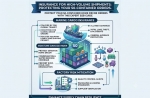
The Problem: Navigating Port Congestion and Customs Bottlenecks in Global Decor Sourcing
In the fast-paced world of global B2B sourcing and interior design, unpredictability is the ultimate enemy of profitability. For buyers and sourcing directors importing home decor to the United States, the journey from a master artisan's hands in Vietnam to a retail showroom floor in New York is fraught with logistical hurdles. Among the most frustrating and costly of these hurdles are the delays encountered at U.S. ports of entry. Attention must be paid to the final, critical mile of the supply chain: U.S. Customs and Border Protection (CBP) clearance.
When importing products crafted from exquisite natural materials—such as Acacia wood, Bamboo, Seagrass, Rattan, and Water Hyacinth—the level of customs scrutiny is inherently higher. Because these are organic, plant-based materials, they frequently trigger agricultural holds, intensive X-ray examinations, and rigorous document reviews to prevent the introduction of foreign pests or contraband. While necessary for national security and environmental protection, these intensive exams can stall a shipping container at the port for days or even weeks.
For a global buyer, the ripple effects of these delays are severe. A two-week customs hold can mean missing a critical seasonal launch window, such as a Spring/Summer patio collection. It ties up vital working capital in inventory that cannot be sold, incurs exorbitant demurrage and per diem charges at the port, and ultimately damages relationships with retail partners and interior design clients who are waiting on delayed shipments. Furthermore, the lack of visibility during a customs hold creates immense stress for logistics teams. The core problem became clear: producing beautiful, sustainable home decor is only half the battle; ensuring it crosses international borders swiftly and predictably is equally vital to our partners' success.
The Solution: Securing the Supply Chain with Strategic C-TPAT Integration
Recognizing that our global partners need reliability just as much as they need exceptional design, Ngoc Dong Ha Nam took decisive action. We understood that a truly world-class, sustainable supply chain must also be an impenetrable, secure one. To solve the customs bottleneck, we turned our Interest and resources toward achieving compliance with the Customs-Trade Partnership Against Terrorism (C-TPAT), a premier cargo security program led by U.S. CBP.
Implementing C-TPAT was not merely a box-ticking exercise; it was a comprehensive overhaul of our operational security, seamlessly integrated with our existing international standards like BSCI, SMETA, and FSC (Forest Stewardship Council). While FSC guarantees the environmental sustainability of our Acacia and Bamboo, and BSCI/SMETA ensure ethical labor practices, C-TPAT guarantees the physical and procedural integrity of the cargo itself.
Comprehensive Security Overhaul
Our approach to C-TPAT compliance involved securing every node of our supply chain:
- Physical Security: We fortified our manufacturing facilities in Ha Nam with advanced perimeter fencing, 24/7 CCTV monitoring, and strict access controls. Only authorized personnel can enter the production and loading zones, ensuring that our rattan and seagrass products are never tampered with.
- Container and Trailer Security: We implemented the rigorous 7-point container inspection process. Before a single handcrafted water hyacinth basket is loaded, the container is meticulously inspected for structural integrity and hidden compartments. High-security, ISO-compliant seals are applied immediately after loading to prevent unauthorized access during transit to the Port of Hai Phong.
- Procedural Security: We established stringent protocols for document processing, ensuring that manifests are accurate, transmitted securely, and match the physical cargo perfectly. This eliminates the paperwork discrepancies that often trigger customs holds.
- Personnel and IT Security: Background checks are conducted on all key personnel, and robust cybersecurity measures were deployed to protect our buyers' sensitive sourcing data and shipping manifests from digital threats.
By mapping our entire supply chain—from the rural artisans harvesting natural fibers to the sealed containers departing Vietnam—we created a transparent, secure ecosystem. We provided CBP with the documented assurance they need to view our shipments as highly secure and low-risk.
The Results: Faster Time-to-Market and Enhanced Reliability for Global Buyers
The transformation resulting from our C-TPAT compliance has been nothing short of revolutionary for our B2B partners. By elevating our security posture, we have successfully generated the Desire for streamlined logistics into tangible, measurable results. Ngoc Dong Ha Nam's shipments now benefit from a "trusted trader" status, effectively placing our containers in the fast lane at U.S. ports of entry.
Measurable Impact on the Supply Chain
Since aligning our operations with C-TPAT guidelines, the data speaks for itself:
- 30% Reduction in Customs Delays: Our containers experience significantly fewer CBP holds. By proving the security of our supply chain at the point of origin, U.S. Customs recognizes our cargo as low-risk, allowing it to bypass the lengthy intensive exam queues that typically plague natural fiber imports.
- Substantial Cost Savings: Intensive customs examinations are not free; they can cost buyers hundreds or even thousands of dollars per container in exam fees, drayage, and demurrage. By minimizing these exams, our partners have seen a dramatic reduction in unforeseen logistical expenses.
- Predictable Lead Times: For interior designers working on strict project deadlines and retailers planning seasonal floor sets, predictability is invaluable. C-TPAT compliance ensures that the lead times we quote are the lead times we deliver, empowering our buyers to optimize their inventory management and reduce holding costs.
Ultimately, this case study proves that sustainability and security go hand-in-hand. When you source Bamboo, Rattan, or Seagrass collections from Ngoc Dong Ha Nam, you are not just buying eco-friendly, ethically produced decor; you are investing in a frictionless supply chain. Action: Don't let port congestion and customs delays dictate your product launch schedules. Partner with a manufacturer that prioritizes both the art of natural home decor and the science of global logistics. Contact Ngoc Dong Ha Nam today to discover how our secure, certified, and sustainable manufacturing capabilities can accelerate your brand's growth in the U.S. market.
Frequently Asked Questions
What is C-TPAT compliance and why does it matter for B2B buyers?
C-TPAT (Customs-Trade Partnership Against Terrorism) is a voluntary supply chain security program led by U.S. Customs and Border Protection (CBP). For B2B buyers, sourcing from a C-TPAT compliant manufacturer means their cargo is considered low-risk, resulting in fewer customs examinations, faster border clearance, and more predictable delivery times.
Why are natural materials like rattan, bamboo, and seagrass prone to customs delays?
Natural, plant-based materials are heavily scrutinized by customs and agricultural departments to prevent the cross-border spread of invasive pests and diseases. Without a secure, documented supply chain, these organic materials frequently trigger intensive X-ray or physical examinations, causing significant shipping delays.
How does C-TPAT integrate with sustainability standards like FSC, BSCI, and SMETA?
While FSC ensures environmental sustainability and BSCI/SMETA govern ethical labor practices, C-TPAT focuses on the physical security of the cargo. Together, they create a holistic, premium supply chain. A manufacturer holding all these certifications guarantees that a product is not only green and ethically made, but also securely transported without risk of tampering.
Can sourcing from a C-TPAT compliant manufacturer save money?
Yes. Every time a container is flagged for an intensive customs exam, the importer is billed for exam fees, extra drayage, and potential demurrage (storage) charges at the port. By reducing the frequency of these exams through C-TPAT compliance, buyers save significantly on unexpected logistical costs.