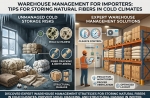
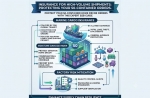
Picture this: It is the peak of the sourcing season. You, as a global buyer or lead interior designer for a major international retail brand, have spent months curating the perfect collection of sustainable home decor. You have selected the finest handwoven water hyacinth baskets, elegant rattan lounge chairs, and minimalist acacia wood dining sets. You have anticipated the arrival of these beautiful, natural pieces to launch your highly anticipated spring collection. The vessel has finally docked at the Port of Long Beach or Rotterdam after a grueling six-week journey from Vietnam. The logistics team clears customs, the truck arrives at your distribution center, and the warehouse doors swing open to reveal the 40-foot high-cube container. But instead of the pristine, earthy aroma of natural fibers, you are hit with a damp, musty odor. You break the seal, open the doors, and your heart sinks. A fuzzy, greenish-white layer of mold has blanketed your premium inventory. The cardboard cartons are soggy, the structural integrity of the bamboo is compromised, and the entire shipment is a total write-off. This nightmare scenario is not just a logistical hiccup; it is a catastrophic financial loss, a devastating blow to your seasonal launch timeline, and a severe threat to your brand's reputation.
As the Marketing Director and Sustainable Supply Chain Consultant at Ngoc Dong Ha Nam, I have witnessed firsthand the anxiety that global buyers face regarding ocean freight and high-humidity environments. The phenomenon known in the logistics industry as 'Container Rain' or 'Container Sweat' is the silent assassin of the natural home decor industry. When shipping natural, hygroscopic materials across the globe, the battle against moisture is relentless. However, it is a battle that can be won. At Ngoc Dong Ha Nam, we do not rely on luck. We rely on science, rigorous quality control, and decades of generational expertise in handling natural materials. We understand that true sustainability is not just about using eco-friendly materials; it is about ensuring those materials survive the global supply chain without requiring toxic chemical interventions or ending up in a landfill due to preventable damage. In this comprehensive guide, we are pulling back the curtain to reveal our closely guarded preservation secrets. We will explore the complex physics of shipping natural materials, the unique vulnerabilities of different fibers, and the meticulous, world-class protocols we employ to guarantee that your meticulously designed products arrive in the exact pristine condition they left our factory.
To defeat an enemy, you must first understand it. Mold is a type of fungus that thrives in environments where three specific conditions are met: oxygen, a food source, and moisture. In the context of our industry, the 'food source' is the very thing that makes our products so desirable: the rich, organic cellulose found in natural materials like Acacia, Bamboo, Seagrass, Rattan, and Water Hyacinth. Because we cannot eliminate oxygen or the organic nature of the materials, the entire battle hinges on controlling moisture. But moisture in a global supply chain is not a static variable; it is a highly dynamic and aggressive force. When a shipping container is loaded in a tropical climate like Vietnam, the ambient air trapped inside the container is warm and heavily laden with invisible water vapor. As the cargo ship embarks on its transoceanic voyage, it inevitably crosses multiple climatic zones. It might leave the sweltering heat of Southeast Asia, cross the cooler currents of the Pacific Ocean, and arrive in the freezing temperatures of a Northern European or North American winter.
This drastic fluctuation in temperature is where the physics of 'Container Rain' comes into play. Warm air can hold significantly more moisture than cold air. As the temperature outside the container drops, the steel walls of the container cool rapidly. The warm, humid air inside the container comes into contact with these cold steel walls and reaches its 'dew point'—the temperature at which the air can no longer hold all its water vapor. The invisible vapor condenses into liquid water droplets on the ceiling and walls of the container. Eventually, these droplets grow heavy enough to rain down onto the cargo below. Even if the products were perfectly dry when loaded, this internal rainstorm will soak the packaging, penetrate the cartons, and re-introduce moisture into the natural fibers, creating the perfect micro-climate for rapid mold proliferation.
Not all natural materials react to moisture in the same way. At Ngoc Dong Ha Nam, our deep expertise in material science dictates how we treat each specific fiber. Let us break down the hygroscopic nature of our core materials. Water Hyacinth, for instance, is an aquatic plant with a highly porous, spongy cellular structure designed by nature to absorb and retain water. When harvested, it has an incredibly high moisture content (MC) that must be drastically reduced. If not dried perfectly, its spongy core acts as a reservoir for mold spores. Seagrass is slightly more resilient due to its natural saline environment, but its tightly woven fibers can trap ambient humidity if not properly cured. Rattan is a solid vine, making it incredibly strong for furniture, but its capillaries, which once transported water through the jungle canopy, can easily wick moisture from the air if the protective outer skin is compromised or if the ends are not properly sealed. Bamboo, a giant grass, is notorious for its high starch and sugar content. These sugars are the ultimate superfood for mold and insects alike. Without rigorous thermal or saline treatment to break down these sugars, bamboo is highly susceptible to degradation. Finally, Acacia wood, while a robust and dense hardwood favored for its durability and beautiful grain, is still subject to warping, cracking, and surface mold if the internal moisture content is not brought down to an exact equilibrium with its final destination's climate. Understanding these microscopic differences is what separates a novice supplier from a world-class manufacturing partner.
Furthermore, the global demand for sustainable, non-toxic products adds an incredible layer of complexity to this challenge. Decades ago, the industry standard was to simply douse natural products in heavy, toxic fungicides and pesticides like Methyl Bromide. However, as global awareness of health and environmental impacts has grown, and as stringent regulations like the EU's REACH directive have been implemented, these toxic shortcuts are no longer acceptable. Modern buyers and interior designers demand products that are safe for the home environment, free from harmful off-gassing, and ethically produced. At Ngoc Dong Ha Nam, we fully embrace these standards. Our commitment to sustainability—evidenced by our FSC (Forest Stewardship Council) certifications, our adherence to BSCI (Business Social Compliance Initiative) guidelines, and our SMETA (Sedex Members Ethical Trade Audit) compliance—means we must achieve perfect preservation using only safe, eco-friendly, and highly sophisticated methods. We cannot rely on toxic chemicals to mask poor moisture management; we must engineer moisture out of the equation entirely.
How do we achieve a near-zero mold defect rate in our international shipments? We do not rely on a single magic bullet. Instead, we have developed a proprietary, comprehensive 5-Step Moisture Defense Protocol that begins the moment a plant is harvested and ends only when the container doors are sealed. This protocol is the culmination of decades of experience, rigorous scientific testing, and a relentless commitment to quality control.
The fight against mold begins in the fields and forests. We meticulously time our harvesting cycles to align with the optimal dry seasons whenever possible. For aquatic plants like Water Hyacinth, the initial sun-drying process is critical. We utilize expansive, clean, and elevated drying yards that maximize airflow and sun exposure. We never dry materials directly on the soil, which could introduce ground moisture and microbial contaminants. Our master artisans constantly monitor the weather; at the first sign of rain, materials are swiftly moved into covered, well-ventilated staging areas. This initial curing process is designed to bring the raw material's moisture content down from over 80% to a manageable 20% before it even enters our production facilities.
Sun drying is entirely insufficient for export-grade products. Once the raw materials arrive at our factory, they undergo rigorous, scientifically controlled kiln drying. We utilize state-of-the-art industrial kilns equipped with precision digital hygrometers and thermoregulators. For Acacia wood, we employ a slow, carefully monitored drying schedule to bring the internal moisture content down to a strict 8-12%, preventing not only mold but also structural warping and cracking during transit. For Bamboo, we utilize advanced thermal treatments—sometimes involving high-pressure steam or carbonization—which effectively crystallizes the natural sugars and starches within the bamboo's cellular structure. By eliminating this food source, we render the bamboo virtually immune to mold and pests without the use of toxic chemicals. Every single batch of material is tested with calibrated moisture meters before it is cleared for the weaving or assembly floor. If a batch reads even 1% over our strict thresholds, it goes back into the kiln. There are zero exceptions to this rule.
While our primary defense is the complete eradication of excess moisture, we also employ secondary, eco-friendly protective measures. We utilize advanced, water-based, non-toxic anti-mold solutions that comply strictly with international environmental and health standards, including the EU's REACH regulations and California's Proposition 65. These treatments, often derived from natural mineral salts like borates or benign organic compounds, are applied via deep-immersion dipping tanks rather than superficial spraying. This ensures that the protective solution penetrates deep into the core of the Rattan vines or Seagrass fibers, providing a long-lasting, invisible shield that disrupts the cellular reproduction of mold spores without compromising the natural aesthetic, texture, or safety of the final product.
The packaging phase is where many suppliers fail, but where Ngoc Dong Ha Nam excels. We treat the inside of every carton as a highly controlled micro-climate. First, we ensure that the corrugated cardboard cartons themselves are perfectly dry, with a moisture content strictly below 12%. Using damp cardboard is a guaranteed recipe for disaster. Inside the carton, products are wrapped in specialized moisture-barrier polybags. We utilize micro-perforated bags for products that need to 'breathe' slightly to prevent internal condensation, and completely sealed vacuum bags for highly sensitive items. But the true secret weapon in our packaging is our strategic use of desiccants. We do not use cheap, ineffective silica gel packets that saturate quickly. Instead, we calculate the exact cubic volume of the packaging and insert precisely measured packets of high-absorption Calcium Chloride desiccants. Calcium Chloride can absorb up to 300% of its own weight in moisture, turning into a gel that traps the water permanently, ensuring the micro-climate inside the box remains bone-dry regardless of external fluctuations.
The final, and perhaps most crucial, step is the preparation of the shipping container itself. A perfectly dry product will still succumb to mold if loaded into a compromised container. Before a single box is loaded, our logistics quality control team conducts a rigorous 7-point inspection of the container. We check for structural damage, ensure the rubber door seals are perfectly intact to prevent saltwater ingress, and measure the moisture content of the container's wooden floor. If the floor's moisture content exceeds 15%, the container is rejected and sent back to the yard. Once a container passes inspection, we line the walls and ceiling with heavy-duty Kraft paper to act as a condensation barrier. We then install high-capacity, industrial-grade Calcium Chloride desiccant poles suspended from the ceiling hooks. These poles are strategically placed to absorb ambient humidity throughout the voyage, aggressively pulling moisture out of the air before it can reach the dew point and condense. Finally, our loading teams are trained to stack cartons using specific geometric patterns that maximize structural stability while allowing for essential airflow between the boxes, preventing the creation of stagnant, humid pockets. This entire process is documented, photographed, and signed off by our QA managers, providing our buyers with a transparent, verifiable audit trail of our commitment to excellence.
At Ngoc Dong Ha Nam, we believe that true luxury and world-class design must be matched by equally world-class supply chain execution. You invest immense time, capital, and creative energy into sourcing the perfect natural home decor for your brand. You should not have to lose sleep worrying about mold, container rain, or compromised quality. Our rigorous, science-backed preservation protocols, combined with our unwavering commitment to ethical manufacturing (BSCI, SMETA) and sustainable sourcing (FSC), make us the premier partner for global buyers and interior designers who demand the absolute best.
Do not leave the integrity of your next seasonal collection to chance. Partner with a manufacturer that engineers risk out of the equation. Contact our international supply chain and sales team today to discuss your sourcing needs, request a sample of our meticulously crafted products, or schedule a virtual tour of our state-of-the-art drying and production facilities. Let us show you how Ngoc Dong Ha Nam can elevate your brand, protect your investment, and deliver the breathtaking beauty of natural Vietnamese craftsmanship to your customers, flawlessly preserved and perfectly pristine. Reach out to us now, and let's build a sustainable, mold-free future together.

Picture this: It is the peak of the sourcing season. You, as a global buyer or lead interior designer for a major international retail brand, have spent months curating the perfect collection of sustainable home decor. You have selected the finest handwoven water hyacinth baskets, elegant rattan lounge chairs, and minimalist acacia wood dining sets. You have anticipated the arrival of these beautiful, natural pieces to launch your highly anticipated spring collection. The vessel has finally docked at the Port of Long Beach or Rotterdam after a grueling six-week journey from Vietnam. The logistics team clears customs, the truck arrives at your distribution center, and the warehouse doors swing open to reveal the 40-foot high-cube container. But instead of the pristine, earthy aroma of natural fibers, you are hit with a damp, musty odor. You break the seal, open the doors, and your heart sinks. A fuzzy, greenish-white layer of mold has blanketed your premium inventory. The cardboard cartons are soggy, the structural integrity of the bamboo is compromised, and the entire shipment is a total write-off. This nightmare scenario is not just a logistical hiccup; it is a catastrophic financial loss, a devastating blow to your seasonal launch timeline, and a severe threat to your brand's reputation.
As the Marketing Director and Sustainable Supply Chain Consultant at Ngoc Dong Ha Nam, I have witnessed firsthand the anxiety that global buyers face regarding ocean freight and high-humidity environments. The phenomenon known in the logistics industry as 'Container Rain' or 'Container Sweat' is the silent assassin of the natural home decor industry. When shipping natural, hygroscopic materials across the globe, the battle against moisture is relentless. However, it is a battle that can be won. At Ngoc Dong Ha Nam, we do not rely on luck. We rely on science, rigorous quality control, and decades of generational expertise in handling natural materials. We understand that true sustainability is not just about using eco-friendly materials; it is about ensuring those materials survive the global supply chain without requiring toxic chemical interventions or ending up in a landfill due to preventable damage. In this comprehensive guide, we are pulling back the curtain to reveal our closely guarded preservation secrets. We will explore the complex physics of shipping natural materials, the unique vulnerabilities of different fibers, and the meticulous, world-class protocols we employ to guarantee that your meticulously designed products arrive in the exact pristine condition they left our factory.
To defeat an enemy, you must first understand it. Mold is a type of fungus that thrives in environments where three specific conditions are met: oxygen, a food source, and moisture. In the context of our industry, the 'food source' is the very thing that makes our products so desirable: the rich, organic cellulose found in natural materials like Acacia, Bamboo, Seagrass, Rattan, and Water Hyacinth. Because we cannot eliminate oxygen or the organic nature of the materials, the entire battle hinges on controlling moisture. But moisture in a global supply chain is not a static variable; it is a highly dynamic and aggressive force. When a shipping container is loaded in a tropical climate like Vietnam, the ambient air trapped inside the container is warm and heavily laden with invisible water vapor. As the cargo ship embarks on its transoceanic voyage, it inevitably crosses multiple climatic zones. It might leave the sweltering heat of Southeast Asia, cross the cooler currents of the Pacific Ocean, and arrive in the freezing temperatures of a Northern European or North American winter.
This drastic fluctuation in temperature is where the physics of 'Container Rain' comes into play. Warm air can hold significantly more moisture than cold air. As the temperature outside the container drops, the steel walls of the container cool rapidly. The warm, humid air inside the container comes into contact with these cold steel walls and reaches its 'dew point'—the temperature at which the air can no longer hold all its water vapor. The invisible vapor condenses into liquid water droplets on the ceiling and walls of the container. Eventually, these droplets grow heavy enough to rain down onto the cargo below. Even if the products were perfectly dry when loaded, this internal rainstorm will soak the packaging, penetrate the cartons, and re-introduce moisture into the natural fibers, creating the perfect micro-climate for rapid mold proliferation.
Not all natural materials react to moisture in the same way. At Ngoc Dong Ha Nam, our deep expertise in material science dictates how we treat each specific fiber. Let us break down the hygroscopic nature of our core materials. Water Hyacinth, for instance, is an aquatic plant with a highly porous, spongy cellular structure designed by nature to absorb and retain water. When harvested, it has an incredibly high moisture content (MC) that must be drastically reduced. If not dried perfectly, its spongy core acts as a reservoir for mold spores. Seagrass is slightly more resilient due to its natural saline environment, but its tightly woven fibers can trap ambient humidity if not properly cured. Rattan is a solid vine, making it incredibly strong for furniture, but its capillaries, which once transported water through the jungle canopy, can easily wick moisture from the air if the protective outer skin is compromised or if the ends are not properly sealed. Bamboo, a giant grass, is notorious for its high starch and sugar content. These sugars are the ultimate superfood for mold and insects alike. Without rigorous thermal or saline treatment to break down these sugars, bamboo is highly susceptible to degradation. Finally, Acacia wood, while a robust and dense hardwood favored for its durability and beautiful grain, is still subject to warping, cracking, and surface mold if the internal moisture content is not brought down to an exact equilibrium with its final destination's climate. Understanding these microscopic differences is what separates a novice supplier from a world-class manufacturing partner.
Furthermore, the global demand for sustainable, non-toxic products adds an incredible layer of complexity to this challenge. Decades ago, the industry standard was to simply douse natural products in heavy, toxic fungicides and pesticides like Methyl Bromide. However, as global awareness of health and environmental impacts has grown, and as stringent regulations like the EU's REACH directive have been implemented, these toxic shortcuts are no longer acceptable. Modern buyers and interior designers demand products that are safe for the home environment, free from harmful off-gassing, and ethically produced. At Ngoc Dong Ha Nam, we fully embrace these standards. Our commitment to sustainability—evidenced by our FSC (Forest Stewardship Council) certifications, our adherence to BSCI (Business Social Compliance Initiative) guidelines, and our SMETA (Sedex Members Ethical Trade Audit) compliance—means we must achieve perfect preservation using only safe, eco-friendly, and highly sophisticated methods. We cannot rely on toxic chemicals to mask poor moisture management; we must engineer moisture out of the equation entirely.
How do we achieve a near-zero mold defect rate in our international shipments? We do not rely on a single magic bullet. Instead, we have developed a proprietary, comprehensive 5-Step Moisture Defense Protocol that begins the moment a plant is harvested and ends only when the container doors are sealed. This protocol is the culmination of decades of experience, rigorous scientific testing, and a relentless commitment to quality control.
The fight against mold begins in the fields and forests. We meticulously time our harvesting cycles to align with the optimal dry seasons whenever possible. For aquatic plants like Water Hyacinth, the initial sun-drying process is critical. We utilize expansive, clean, and elevated drying yards that maximize airflow and sun exposure. We never dry materials directly on the soil, which could introduce ground moisture and microbial contaminants. Our master artisans constantly monitor the weather; at the first sign of rain, materials are swiftly moved into covered, well-ventilated staging areas. This initial curing process is designed to bring the raw material's moisture content down from over 80% to a manageable 20% before it even enters our production facilities.
Sun drying is entirely insufficient for export-grade products. Once the raw materials arrive at our factory, they undergo rigorous, scientifically controlled kiln drying. We utilize state-of-the-art industrial kilns equipped with precision digital hygrometers and thermoregulators. For Acacia wood, we employ a slow, carefully monitored drying schedule to bring the internal moisture content down to a strict 8-12%, preventing not only mold but also structural warping and cracking during transit. For Bamboo, we utilize advanced thermal treatments—sometimes involving high-pressure steam or carbonization—which effectively crystallizes the natural sugars and starches within the bamboo's cellular structure. By eliminating this food source, we render the bamboo virtually immune to mold and pests without the use of toxic chemicals. Every single batch of material is tested with calibrated moisture meters before it is cleared for the weaving or assembly floor. If a batch reads even 1% over our strict thresholds, it goes back into the kiln. There are zero exceptions to this rule.
While our primary defense is the complete eradication of excess moisture, we also employ secondary, eco-friendly protective measures. We utilize advanced, water-based, non-toxic anti-mold solutions that comply strictly with international environmental and health standards, including the EU's REACH regulations and California's Proposition 65. These treatments, often derived from natural mineral salts like borates or benign organic compounds, are applied via deep-immersion dipping tanks rather than superficial spraying. This ensures that the protective solution penetrates deep into the core of the Rattan vines or Seagrass fibers, providing a long-lasting, invisible shield that disrupts the cellular reproduction of mold spores without compromising the natural aesthetic, texture, or safety of the final product.
The packaging phase is where many suppliers fail, but where Ngoc Dong Ha Nam excels. We treat the inside of every carton as a highly controlled micro-climate. First, we ensure that the corrugated cardboard cartons themselves are perfectly dry, with a moisture content strictly below 12%. Using damp cardboard is a guaranteed recipe for disaster. Inside the carton, products are wrapped in specialized moisture-barrier polybags. We utilize micro-perforated bags for products that need to 'breathe' slightly to prevent internal condensation, and completely sealed vacuum bags for highly sensitive items. But the true secret weapon in our packaging is our strategic use of desiccants. We do not use cheap, ineffective silica gel packets that saturate quickly. Instead, we calculate the exact cubic volume of the packaging and insert precisely measured packets of high-absorption Calcium Chloride desiccants. Calcium Chloride can absorb up to 300% of its own weight in moisture, turning into a gel that traps the water permanently, ensuring the micro-climate inside the box remains bone-dry regardless of external fluctuations.
The final, and perhaps most crucial, step is the preparation of the shipping container itself. A perfectly dry product will still succumb to mold if loaded into a compromised container. Before a single box is loaded, our logistics quality control team conducts a rigorous 7-point inspection of the container. We check for structural damage, ensure the rubber door seals are perfectly intact to prevent saltwater ingress, and measure the moisture content of the container's wooden floor. If the floor's moisture content exceeds 15%, the container is rejected and sent back to the yard. Once a container passes inspection, we line the walls and ceiling with heavy-duty Kraft paper to act as a condensation barrier. We then install high-capacity, industrial-grade Calcium Chloride desiccant poles suspended from the ceiling hooks. These poles are strategically placed to absorb ambient humidity throughout the voyage, aggressively pulling moisture out of the air before it can reach the dew point and condense. Finally, our loading teams are trained to stack cartons using specific geometric patterns that maximize structural stability while allowing for essential airflow between the boxes, preventing the creation of stagnant, humid pockets. This entire process is documented, photographed, and signed off by our QA managers, providing our buyers with a transparent, verifiable audit trail of our commitment to excellence.
At Ngoc Dong Ha Nam, we believe that true luxury and world-class design must be matched by equally world-class supply chain execution. You invest immense time, capital, and creative energy into sourcing the perfect natural home decor for your brand. You should not have to lose sleep worrying about mold, container rain, or compromised quality. Our rigorous, science-backed preservation protocols, combined with our unwavering commitment to ethical manufacturing (BSCI, SMETA) and sustainable sourcing (FSC), make us the premier partner for global buyers and interior designers who demand the absolute best.
Do not leave the integrity of your next seasonal collection to chance. Partner with a manufacturer that engineers risk out of the equation. Contact our international supply chain and sales team today to discuss your sourcing needs, request a sample of our meticulously crafted products, or schedule a virtual tour of our state-of-the-art drying and production facilities. Let us show you how Ngoc Dong Ha Nam can elevate your brand, protect your investment, and deliver the breathtaking beauty of natural Vietnamese craftsmanship to your customers, flawlessly preserved and perfectly pristine. Reach out to us now, and let's build a sustainable, mold-free future together.
Picture this: It is the peak of the sourcing season. You, as a global buyer or lead interior designer for a major international retail brand, have spent months curating the perfect collection of sustainable home decor. You have selected the finest handwoven water hyacinth baskets, elegant rattan lounge chairs, and minimalist acacia wood dining sets. You have anticipated the arrival of these beautiful, natural pieces to launch your highly anticipated spring collection. The vessel has finally docked at the Port of Long Beach or Rotterdam after a grueling six-week journey from Vietnam. The logistics team clears customs, the truck arrives at your distribution center, and the warehouse doors swing open to reveal the 40-foot high-cube container. But instead of the pristine, earthy aroma of natural fibers, you are hit with a damp, musty odor. You break the seal, open the doors, and your heart sinks. A fuzzy, greenish-white layer of mold has blanketed your premium inventory. The cardboard cartons are soggy, the structural integrity of the bamboo is compromised, and the entire shipment is a total write-off. This nightmare scenario is not just a logistical hiccup; it is a catastrophic financial loss, a devastating blow to your seasonal launch timeline, and a severe threat to your brand's reputation.
As the Marketing Director and Sustainable Supply Chain Consultant at Ngoc Dong Ha Nam, I have witnessed firsthand the anxiety that global buyers face regarding ocean freight and high-humidity environments. The phenomenon known in the logistics industry as 'Container Rain' or 'Container Sweat' is the silent assassin of the natural home decor industry. When shipping natural, hygroscopic materials across the globe, the battle against moisture is relentless. However, it is a battle that can be won. At Ngoc Dong Ha Nam, we do not rely on luck. We rely on science, rigorous quality control, and decades of generational expertise in handling natural materials. We understand that true sustainability is not just about using eco-friendly materials; it is about ensuring those materials survive the global supply chain without requiring toxic chemical interventions or ending up in a landfill due to preventable damage. In this comprehensive guide, we are pulling back the curtain to reveal our closely guarded preservation secrets. We will explore the complex physics of shipping natural materials, the unique vulnerabilities of different fibers, and the meticulous, world-class protocols we employ to guarantee that your meticulously designed products arrive in the exact pristine condition they left our factory.
To defeat an enemy, you must first understand it. Mold is a type of fungus that thrives in environments where three specific conditions are met: oxygen, a food source, and moisture. In the context of our industry, the 'food source' is the very thing that makes our products so desirable: the rich, organic cellulose found in natural materials like Acacia, Bamboo, Seagrass, Rattan, and Water Hyacinth. Because we cannot eliminate oxygen or the organic nature of the materials, the entire battle hinges on controlling moisture. But moisture in a global supply chain is not a static variable; it is a highly dynamic and aggressive force. When a shipping container is loaded in a tropical climate like Vietnam, the ambient air trapped inside the container is warm and heavily laden with invisible water vapor. As the cargo ship embarks on its transoceanic voyage, it inevitably crosses multiple climatic zones. It might leave the sweltering heat of Southeast Asia, cross the cooler currents of the Pacific Ocean, and arrive in the freezing temperatures of a Northern European or North American winter.
This drastic fluctuation in temperature is where the physics of 'Container Rain' comes into play. Warm air can hold significantly more moisture than cold air. As the temperature outside the container drops, the steel walls of the container cool rapidly. The warm, humid air inside the container comes into contact with these cold steel walls and reaches its 'dew point'—the temperature at which the air can no longer hold all its water vapor. The invisible vapor condenses into liquid water droplets on the ceiling and walls of the container. Eventually, these droplets grow heavy enough to rain down onto the cargo below. Even if the products were perfectly dry when loaded, this internal rainstorm will soak the packaging, penetrate the cartons, and re-introduce moisture into the natural fibers, creating the perfect micro-climate for rapid mold proliferation.
Not all natural materials react to moisture in the same way. At Ngoc Dong Ha Nam, our deep expertise in material science dictates how we treat each specific fiber. Let us break down the hygroscopic nature of our core materials. Water Hyacinth, for instance, is an aquatic plant with a highly porous, spongy cellular structure designed by nature to absorb and retain water. When harvested, it has an incredibly high moisture content (MC) that must be drastically reduced. If not dried perfectly, its spongy core acts as a reservoir for mold spores. Seagrass is slightly more resilient due to its natural saline environment, but its tightly woven fibers can trap ambient humidity if not properly cured. Rattan is a solid vine, making it incredibly strong for furniture, but its capillaries, which once transported water through the jungle canopy, can easily wick moisture from the air if the protective outer skin is compromised or if the ends are not properly sealed. Bamboo, a giant grass, is notorious for its high starch and sugar content. These sugars are the ultimate superfood for mold and insects alike. Without rigorous thermal or saline treatment to break down these sugars, bamboo is highly susceptible to degradation. Finally, Acacia wood, while a robust and dense hardwood favored for its durability and beautiful grain, is still subject to warping, cracking, and surface mold if the internal moisture content is not brought down to an exact equilibrium with its final destination's climate. Understanding these microscopic differences is what separates a novice supplier from a world-class manufacturing partner.
Furthermore, the global demand for sustainable, non-toxic products adds an incredible layer of complexity to this challenge. Decades ago, the industry standard was to simply douse natural products in heavy, toxic fungicides and pesticides like Methyl Bromide. However, as global awareness of health and environmental impacts has grown, and as stringent regulations like the EU's REACH directive have been implemented, these toxic shortcuts are no longer acceptable. Modern buyers and interior designers demand products that are safe for the home environment, free from harmful off-gassing, and ethically produced. At Ngoc Dong Ha Nam, we fully embrace these standards. Our commitment to sustainability—evidenced by our FSC (Forest Stewardship Council) certifications, our adherence to BSCI (Business Social Compliance Initiative) guidelines, and our SMETA (Sedex Members Ethical Trade Audit) compliance—means we must achieve perfect preservation using only safe, eco-friendly, and highly sophisticated methods. We cannot rely on toxic chemicals to mask poor moisture management; we must engineer moisture out of the equation entirely.
How do we achieve a near-zero mold defect rate in our international shipments? We do not rely on a single magic bullet. Instead, we have developed a proprietary, comprehensive 5-Step Moisture Defense Protocol that begins the moment a plant is harvested and ends only when the container doors are sealed. This protocol is the culmination of decades of experience, rigorous scientific testing, and a relentless commitment to quality control.
The fight against mold begins in the fields and forests. We meticulously time our harvesting cycles to align with the optimal dry seasons whenever possible. For aquatic plants like Water Hyacinth, the initial sun-drying process is critical. We utilize expansive, clean, and elevated drying yards that maximize airflow and sun exposure. We never dry materials directly on the soil, which could introduce ground moisture and microbial contaminants. Our master artisans constantly monitor the weather; at the first sign of rain, materials are swiftly moved into covered, well-ventilated staging areas. This initial curing process is designed to bring the raw material's moisture content down from over 80% to a manageable 20% before it even enters our production facilities.
Sun drying is entirely insufficient for export-grade products. Once the raw materials arrive at our factory, they undergo rigorous, scientifically controlled kiln drying. We utilize state-of-the-art industrial kilns equipped with precision digital hygrometers and thermoregulators. For Acacia wood, we employ a slow, carefully monitored drying schedule to bring the internal moisture content down to a strict 8-12%, preventing not only mold but also structural warping and cracking during transit. For Bamboo, we utilize advanced thermal treatments—sometimes involving high-pressure steam or carbonization—which effectively crystallizes the natural sugars and starches within the bamboo's cellular structure. By eliminating this food source, we render the bamboo virtually immune to mold and pests without the use of toxic chemicals. Every single batch of material is tested with calibrated moisture meters before it is cleared for the weaving or assembly floor. If a batch reads even 1% over our strict thresholds, it goes back into the kiln. There are zero exceptions to this rule.
While our primary defense is the complete eradication of excess moisture, we also employ secondary, eco-friendly protective measures. We utilize advanced, water-based, non-toxic anti-mold solutions that comply strictly with international environmental and health standards, including the EU's REACH regulations and California's Proposition 65. These treatments, often derived from natural mineral salts like borates or benign organic compounds, are applied via deep-immersion dipping tanks rather than superficial spraying. This ensures that the protective solution penetrates deep into the core of the Rattan vines or Seagrass fibers, providing a long-lasting, invisible shield that disrupts the cellular reproduction of mold spores without compromising the natural aesthetic, texture, or safety of the final product.
The packaging phase is where many suppliers fail, but where Ngoc Dong Ha Nam excels. We treat the inside of every carton as a highly controlled micro-climate. First, we ensure that the corrugated cardboard cartons themselves are perfectly dry, with a moisture content strictly below 12%. Using damp cardboard is a guaranteed recipe for disaster. Inside the carton, products are wrapped in specialized moisture-barrier polybags. We utilize micro-perforated bags for products that need to 'breathe' slightly to prevent internal condensation, and completely sealed vacuum bags for highly sensitive items. But the true secret weapon in our packaging is our strategic use of desiccants. We do not use cheap, ineffective silica gel packets that saturate quickly. Instead, we calculate the exact cubic volume of the packaging and insert precisely measured packets of high-absorption Calcium Chloride desiccants. Calcium Chloride can absorb up to 300% of its own weight in moisture, turning into a gel that traps the water permanently, ensuring the micro-climate inside the box remains bone-dry regardless of external fluctuations.
The final, and perhaps most crucial, step is the preparation of the shipping container itself. A perfectly dry product will still succumb to mold if loaded into a compromised container. Before a single box is loaded, our logistics quality control team conducts a rigorous 7-point inspection of the container. We check for structural damage, ensure the rubber door seals are perfectly intact to prevent saltwater ingress, and measure the moisture content of the container's wooden floor. If the floor's moisture content exceeds 15%, the container is rejected and sent back to the yard. Once a container passes inspection, we line the walls and ceiling with heavy-duty Kraft paper to act as a condensation barrier. We then install high-capacity, industrial-grade Calcium Chloride desiccant poles suspended from the ceiling hooks. These poles are strategically placed to absorb ambient humidity throughout the voyage, aggressively pulling moisture out of the air before it can reach the dew point and condense. Finally, our loading teams are trained to stack cartons using specific geometric patterns that maximize structural stability while allowing for essential airflow between the boxes, preventing the creation of stagnant, humid pockets. This entire process is documented, photographed, and signed off by our QA managers, providing our buyers with a transparent, verifiable audit trail of our commitment to excellence.
At Ngoc Dong Ha Nam, we believe that true luxury and world-class design must be matched by equally world-class supply chain execution. You invest immense time, capital, and creative energy into sourcing the perfect natural home decor for your brand. You should not have to lose sleep worrying about mold, container rain, or compromised quality. Our rigorous, science-backed preservation protocols, combined with our unwavering commitment to ethical manufacturing (BSCI, SMETA) and sustainable sourcing (FSC), make us the premier partner for global buyers and interior designers who demand the absolute best.
Do not leave the integrity of your next seasonal collection to chance. Partner with a manufacturer that engineers risk out of the equation. Contact our international supply chain and sales team today to discuss your sourcing needs, request a sample of our meticulously crafted products, or schedule a virtual tour of our state-of-the-art drying and production facilities. Let us show you how Ngoc Dong Ha Nam can elevate your brand, protect your investment, and deliver the breathtaking beauty of natural Vietnamese craftsmanship to your customers, flawlessly preserved and perfectly pristine. Reach out to us now, and let's build a sustainable, mold-free future together.
Picture this: It is the peak of the sourcing season. You, as a global buyer or lead interior designer for a major international retail brand, have spent months curating the perfect collection of sustainable home decor. You have selected the finest handwoven water hyacinth baskets, elegant rattan lounge chairs, and minimalist acacia wood dining sets. You have anticipated the arrival of these beautiful, natural pieces to launch your highly anticipated spring collection. The vessel has finally docked at the Port of Long Beach or Rotterdam after a grueling six-week journey from Vietnam. The logistics team clears customs, the truck arrives at your distribution center, and the warehouse doors swing open to reveal the 40-foot high-cube container. But instead of the pristine, earthy aroma of natural fibers, you are hit with a damp, musty odor. You break the seal, open the doors, and your heart sinks. A fuzzy, greenish-white layer of mold has blanketed your premium inventory. The cardboard cartons are soggy, the structural integrity of the bamboo is compromised, and the entire shipment is a total write-off. This nightmare scenario is not just a logistical hiccup; it is a catastrophic financial loss, a devastating blow to your seasonal launch timeline, and a severe threat to your brand's reputation.
As the Marketing Director and Sustainable Supply Chain Consultant at Ngoc Dong Ha Nam, I have witnessed firsthand the anxiety that global buyers face regarding ocean freight and high-humidity environments. The phenomenon known in the logistics industry as 'Container Rain' or 'Container Sweat' is the silent assassin of the natural home decor industry. When shipping natural, hygroscopic materials across the globe, the battle against moisture is relentless. However, it is a battle that can be won. At Ngoc Dong Ha Nam, we do not rely on luck. We rely on science, rigorous quality control, and decades of generational expertise in handling natural materials. We understand that true sustainability is not just about using eco-friendly materials; it is about ensuring those materials survive the global supply chain without requiring toxic chemical interventions or ending up in a landfill due to preventable damage. In this comprehensive guide, we are pulling back the curtain to reveal our closely guarded preservation secrets. We will explore the complex physics of shipping natural materials, the unique vulnerabilities of different fibers, and the meticulous, world-class protocols we employ to guarantee that your meticulously designed products arrive in the exact pristine condition they left our factory.
To defeat an enemy, you must first understand it. Mold is a type of fungus that thrives in environments where three specific conditions are met: oxygen, a food source, and moisture. In the context of our industry, the 'food source' is the very thing that makes our products so desirable: the rich, organic cellulose found in natural materials like Acacia, Bamboo, Seagrass, Rattan, and Water Hyacinth. Because we cannot eliminate oxygen or the organic nature of the materials, the entire battle hinges on controlling moisture. But moisture in a global supply chain is not a static variable; it is a highly dynamic and aggressive force. When a shipping container is loaded in a tropical climate like Vietnam, the ambient air trapped inside the container is warm and heavily laden with invisible water vapor. As the cargo ship embarks on its transoceanic voyage, it inevitably crosses multiple climatic zones. It might leave the sweltering heat of Southeast Asia, cross the cooler currents of the Pacific Ocean, and arrive in the freezing temperatures of a Northern European or North American winter.
This drastic fluctuation in temperature is where the physics of 'Container Rain' comes into play. Warm air can hold significantly more moisture than cold air. As the temperature outside the container drops, the steel walls of the container cool rapidly. The warm, humid air inside the container comes into contact with these cold steel walls and reaches its 'dew point'—the temperature at which the air can no longer hold all its water vapor. The invisible vapor condenses into liquid water droplets on the ceiling and walls of the container. Eventually, these droplets grow heavy enough to rain down onto the cargo below. Even if the products were perfectly dry when loaded, this internal rainstorm will soak the packaging, penetrate the cartons, and re-introduce moisture into the natural fibers, creating the perfect micro-climate for rapid mold proliferation.
Not all natural materials react to moisture in the same way. At Ngoc Dong Ha Nam, our deep expertise in material science dictates how we treat each specific fiber. Let us break down the hygroscopic nature of our core materials. Water Hyacinth, for instance, is an aquatic plant with a highly porous, spongy cellular structure designed by nature to absorb and retain water. When harvested, it has an incredibly high moisture content (MC) that must be drastically reduced. If not dried perfectly, its spongy core acts as a reservoir for mold spores. Seagrass is slightly more resilient due to its natural saline environment, but its tightly woven fibers can trap ambient humidity if not properly cured. Rattan is a solid vine, making it incredibly strong for furniture, but its capillaries, which once transported water through the jungle canopy, can easily wick moisture from the air if the protective outer skin is compromised or if the ends are not properly sealed. Bamboo, a giant grass, is notorious for its high starch and sugar content. These sugars are the ultimate superfood for mold and insects alike. Without rigorous thermal or saline treatment to break down these sugars, bamboo is highly susceptible to degradation. Finally, Acacia wood, while a robust and dense hardwood favored for its durability and beautiful grain, is still subject to warping, cracking, and surface mold if the internal moisture content is not brought down to an exact equilibrium with its final destination's climate. Understanding these microscopic differences is what separates a novice supplier from a world-class manufacturing partner.
Furthermore, the global demand for sustainable, non-toxic products adds an incredible layer of complexity to this challenge. Decades ago, the industry standard was to simply douse natural products in heavy, toxic fungicides and pesticides like Methyl Bromide. However, as global awareness of health and environmental impacts has grown, and as stringent regulations like the EU's REACH directive have been implemented, these toxic shortcuts are no longer acceptable. Modern buyers and interior designers demand products that are safe for the home environment, free from harmful off-gassing, and ethically produced. At Ngoc Dong Ha Nam, we fully embrace these standards. Our commitment to sustainability—evidenced by our FSC (Forest Stewardship Council) certifications, our adherence to BSCI (Business Social Compliance Initiative) guidelines, and our SMETA (Sedex Members Ethical Trade Audit) compliance—means we must achieve perfect preservation using only safe, eco-friendly, and highly sophisticated methods. We cannot rely on toxic chemicals to mask poor moisture management; we must engineer moisture out of the equation entirely.
How do we achieve a near-zero mold defect rate in our international shipments? We do not rely on a single magic bullet. Instead, we have developed a proprietary, comprehensive 5-Step Moisture Defense Protocol that begins the moment a plant is harvested and ends only when the container doors are sealed. This protocol is the culmination of decades of experience, rigorous scientific testing, and a relentless commitment to quality control.
The fight against mold begins in the fields and forests. We meticulously time our harvesting cycles to align with the optimal dry seasons whenever possible. For aquatic plants like Water Hyacinth, the initial sun-drying process is critical. We utilize expansive, clean, and elevated drying yards that maximize airflow and sun exposure. We never dry materials directly on the soil, which could introduce ground moisture and microbial contaminants. Our master artisans constantly monitor the weather; at the first sign of rain, materials are swiftly moved into covered, well-ventilated staging areas. This initial curing process is designed to bring the raw material's moisture content down from over 80% to a manageable 20% before it even enters our production facilities.
Sun drying is entirely insufficient for export-grade products. Once the raw materials arrive at our factory, they undergo rigorous, scientifically controlled kiln drying. We utilize state-of-the-art industrial kilns equipped with precision digital hygrometers and thermoregulators. For Acacia wood, we employ a slow, carefully monitored drying schedule to bring the internal moisture content down to a strict 8-12%, preventing not only mold but also structural warping and cracking during transit. For Bamboo, we utilize advanced thermal treatments—sometimes involving high-pressure steam or carbonization—which effectively crystallizes the natural sugars and starches within the bamboo's cellular structure. By eliminating this food source, we render the bamboo virtually immune to mold and pests without the use of toxic chemicals. Every single batch of material is tested with calibrated moisture meters before it is cleared for the weaving or assembly floor. If a batch reads even 1% over our strict thresholds, it goes back into the kiln. There are zero exceptions to this rule.
While our primary defense is the complete eradication of excess moisture, we also employ secondary, eco-friendly protective measures. We utilize advanced, water-based, non-toxic anti-mold solutions that comply strictly with international environmental and health standards, including the EU's REACH regulations and California's Proposition 65. These treatments, often derived from natural mineral salts like borates or benign organic compounds, are applied via deep-immersion dipping tanks rather than superficial spraying. This ensures that the protective solution penetrates deep into the core of the Rattan vines or Seagrass fibers, providing a long-lasting, invisible shield that disrupts the cellular reproduction of mold spores without compromising the natural aesthetic, texture, or safety of the final product.
The packaging phase is where many suppliers fail, but where Ngoc Dong Ha Nam excels. We treat the inside of every carton as a highly controlled micro-climate. First, we ensure that the corrugated cardboard cartons themselves are perfectly dry, with a moisture content strictly below 12%. Using damp cardboard is a guaranteed recipe for disaster. Inside the carton, products are wrapped in specialized moisture-barrier polybags. We utilize micro-perforated bags for products that need to 'breathe' slightly to prevent internal condensation, and completely sealed vacuum bags for highly sensitive items. But the true secret weapon in our packaging is our strategic use of desiccants. We do not use cheap, ineffective silica gel packets that saturate quickly. Instead, we calculate the exact cubic volume of the packaging and insert precisely measured packets of high-absorption Calcium Chloride desiccants. Calcium Chloride can absorb up to 300% of its own weight in moisture, turning into a gel that traps the water permanently, ensuring the micro-climate inside the box remains bone-dry regardless of external fluctuations.
The final, and perhaps most crucial, step is the preparation of the shipping container itself. A perfectly dry product will still succumb to mold if loaded into a compromised container. Before a single box is loaded, our logistics quality control team conducts a rigorous 7-point inspection of the container. We check for structural damage, ensure the rubber door seals are perfectly intact to prevent saltwater ingress, and measure the moisture content of the container's wooden floor. If the floor's moisture content exceeds 15%, the container is rejected and sent back to the yard. Once a container passes inspection, we line the walls and ceiling with heavy-duty Kraft paper to act as a condensation barrier. We then install high-capacity, industrial-grade Calcium Chloride desiccant poles suspended from the ceiling hooks. These poles are strategically placed to absorb ambient humidity throughout the voyage, aggressively pulling moisture out of the air before it can reach the dew point and condense. Finally, our loading teams are trained to stack cartons using specific geometric patterns that maximize structural stability while allowing for essential airflow between the boxes, preventing the creation of stagnant, humid pockets. This entire process is documented, photographed, and signed off by our QA managers, providing our buyers with a transparent, verifiable audit trail of our commitment to excellence.
At Ngoc Dong Ha Nam, we believe that true luxury and world-class design must be matched by equally world-class supply chain execution. You invest immense time, capital, and creative energy into sourcing the perfect natural home decor for your brand. You should not have to lose sleep worrying about mold, container rain, or compromised quality. Our rigorous, science-backed preservation protocols, combined with our unwavering commitment to ethical manufacturing (BSCI, SMETA) and sustainable sourcing (FSC), make us the premier partner for global buyers and interior designers who demand the absolute best.
Do not leave the integrity of your next seasonal collection to chance. Partner with a manufacturer that engineers risk out of the equation. Contact our international supply chain and sales team today to discuss your sourcing needs, request a sample of our meticulously crafted products, or schedule a virtual tour of our state-of-the-art drying and production facilities. Let us show you how Ngoc Dong Ha Nam can elevate your brand, protect your investment, and deliver the breathtaking beauty of natural Vietnamese craftsmanship to your customers, flawlessly preserved and perfectly pristine. Reach out to us now, and let's build a sustainable, mold-free future together.
Picture this: It is the peak of the sourcing season. You, as a global buyer or lead interior designer for a major international retail brand, have spent months curating the perfect collection of sustainable home decor. You have selected the finest handwoven water hyacinth baskets, elegant rattan lounge chairs, and minimalist acacia wood dining sets. You have anticipated the arrival of these beautiful, natural pieces to launch your highly anticipated spring collection. The vessel has finally docked at the Port of Long Beach or Rotterdam after a grueling six-week journey from Vietnam. The logistics team clears customs, the truck arrives at your distribution center, and the warehouse doors swing open to reveal the 40-foot high-cube container. But instead of the pristine, earthy aroma of natural fibers, you are hit with a damp, musty odor. You break the seal, open the doors, and your heart sinks. A fuzzy, greenish-white layer of mold has blanketed your premium inventory. The cardboard cartons are soggy, the structural integrity of the bamboo is compromised, and the entire shipment is a total write-off. This nightmare scenario is not just a logistical hiccup; it is a catastrophic financial loss, a devastating blow to your seasonal launch timeline, and a severe threat to your brand's reputation.
As the Marketing Director and Sustainable Supply Chain Consultant at Ngoc Dong Ha Nam, I have witnessed firsthand the anxiety that global buyers face regarding ocean freight and high-humidity environments. The phenomenon known in the logistics industry as 'Container Rain' or 'Container Sweat' is the silent assassin of the natural home decor industry. When shipping natural, hygroscopic materials across the globe, the battle against moisture is relentless. However, it is a battle that can be won. At Ngoc Dong Ha Nam, we do not rely on luck. We rely on science, rigorous quality control, and decades of generational expertise in handling natural materials. We understand that true sustainability is not just about using eco-friendly materials; it is about ensuring those materials survive the global supply chain without requiring toxic chemical interventions or ending up in a landfill due to preventable damage. In this comprehensive guide, we are pulling back the curtain to reveal our closely guarded preservation secrets. We will explore the complex physics of shipping natural materials, the unique vulnerabilities of different fibers, and the meticulous, world-class protocols we employ to guarantee that your meticulously designed products arrive in the exact pristine condition they left our factory.
To defeat an enemy, you must first understand it. Mold is a type of fungus that thrives in environments where three specific conditions are met: oxygen, a food source, and moisture. In the context of our industry, the 'food source' is the very thing that makes our products so desirable: the rich, organic cellulose found in natural materials like Acacia, Bamboo, Seagrass, Rattan, and Water Hyacinth. Because we cannot eliminate oxygen or the organic nature of the materials, the entire battle hinges on controlling moisture. But moisture in a global supply chain is not a static variable; it is a highly dynamic and aggressive force. When a shipping container is loaded in a tropical climate like Vietnam, the ambient air trapped inside the container is warm and heavily laden with invisible water vapor. As the cargo ship embarks on its transoceanic voyage, it inevitably crosses multiple climatic zones. It might leave the sweltering heat of Southeast Asia, cross the cooler currents of the Pacific Ocean, and arrive in the freezing temperatures of a Northern European or North American winter.
This drastic fluctuation in temperature is where the physics of 'Container Rain' comes into play. Warm air can hold significantly more moisture than cold air. As the temperature outside the container drops, the steel walls of the container cool rapidly. The warm, humid air inside the container comes into contact with these cold steel walls and reaches its 'dew point'—the temperature at which the air can no longer hold all its water vapor. The invisible vapor condenses into liquid water droplets on the ceiling and walls of the container. Eventually, these droplets grow heavy enough to rain down onto the cargo below. Even if the products were perfectly dry when loaded, this internal rainstorm will soak the packaging, penetrate the cartons, and re-introduce moisture into the natural fibers, creating the perfect micro-climate for rapid mold proliferation.
Not all natural materials react to moisture in the same way. At Ngoc Dong Ha Nam, our deep expertise in material science dictates how we treat each specific fiber. Let us break down the hygroscopic nature of our core materials. Water Hyacinth, for instance, is an aquatic plant with a highly porous, spongy cellular structure designed by nature to absorb and retain water. When harvested, it has an incredibly high moisture content (MC) that must be drastically reduced. If not dried perfectly, its spongy core acts as a reservoir for mold spores. Seagrass is slightly more resilient due to its natural saline environment, but its tightly woven fibers can trap ambient humidity if not properly cured. Rattan is a solid vine, making it incredibly strong for furniture, but its capillaries, which once transported water through the jungle canopy, can easily wick moisture from the air if the protective outer skin is compromised or if the ends are not properly sealed. Bamboo, a giant grass, is notorious for its high starch and sugar content. These sugars are the ultimate superfood for mold and insects alike. Without rigorous thermal or saline treatment to break down these sugars, bamboo is highly susceptible to degradation. Finally, Acacia wood, while a robust and dense hardwood favored for its durability and beautiful grain, is still subject to warping, cracking, and surface mold if the internal moisture content is not brought down to an exact equilibrium with its final destination's climate. Understanding these microscopic differences is what separates a novice supplier from a world-class manufacturing partner.
Furthermore, the global demand for sustainable, non-toxic products adds an incredible layer of complexity to this challenge. Decades ago, the industry standard was to simply douse natural products in heavy, toxic fungicides and pesticides like Methyl Bromide. However, as global awareness of health and environmental impacts has grown, and as stringent regulations like the EU's REACH directive have been implemented, these toxic shortcuts are no longer acceptable. Modern buyers and interior designers demand products that are safe for the home environment, free from harmful off-gassing, and ethically produced. At Ngoc Dong Ha Nam, we fully embrace these standards. Our commitment to sustainability—evidenced by our FSC (Forest Stewardship Council) certifications, our adherence to BSCI (Business Social Compliance Initiative) guidelines, and our SMETA (Sedex Members Ethical Trade Audit) compliance—means we must achieve perfect preservation using only safe, eco-friendly, and highly sophisticated methods. We cannot rely on toxic chemicals to mask poor moisture management; we must engineer moisture out of the equation entirely.
How do we achieve a near-zero mold defect rate in our international shipments? We do not rely on a single magic bullet. Instead, we have developed a proprietary, comprehensive 5-Step Moisture Defense Protocol that begins the moment a plant is harvested and ends only when the container doors are sealed. This protocol is the culmination of decades of experience, rigorous scientific testing, and a relentless commitment to quality control.
The fight against mold begins in the fields and forests. We meticulously time our harvesting cycles to align with the optimal dry seasons whenever possible. For aquatic plants like Water Hyacinth, the initial sun-drying process is critical. We utilize expansive, clean, and elevated drying yards that maximize airflow and sun exposure. We never dry materials directly on the soil, which could introduce ground moisture and microbial contaminants. Our master artisans constantly monitor the weather; at the first sign of rain, materials are swiftly moved into covered, well-ventilated staging areas. This initial curing process is designed to bring the raw material's moisture content down from over 80% to a manageable 20% before it even enters our production facilities.
Sun drying is entirely insufficient for export-grade products. Once the raw materials arrive at our factory, they undergo rigorous, scientifically controlled kiln drying. We utilize state-of-the-art industrial kilns equipped with precision digital hygrometers and thermoregulators. For Acacia wood, we employ a slow, carefully monitored drying schedule to bring the internal moisture content down to a strict 8-12%, preventing not only mold but also structural warping and cracking during transit. For Bamboo, we utilize advanced thermal treatments—sometimes involving high-pressure steam or carbonization—which effectively crystallizes the natural sugars and starches within the bamboo's cellular structure. By eliminating this food source, we render the bamboo virtually immune to mold and pests without the use of toxic chemicals. Every single batch of material is tested with calibrated moisture meters before it is cleared for the weaving or assembly floor. If a batch reads even 1% over our strict thresholds, it goes back into the kiln. There are zero exceptions to this rule.
While our primary defense is the complete eradication of excess moisture, we also employ secondary, eco-friendly protective measures. We utilize advanced, water-based, non-toxic anti-mold solutions that comply strictly with international environmental and health standards, including the EU's REACH regulations and California's Proposition 65. These treatments, often derived from natural mineral salts like borates or benign organic compounds, are applied via deep-immersion dipping tanks rather than superficial spraying. This ensures that the protective solution penetrates deep into the core of the Rattan vines or Seagrass fibers, providing a long-lasting, invisible shield that disrupts the cellular reproduction of mold spores without compromising the natural aesthetic, texture, or safety of the final product.
The packaging phase is where many suppliers fail, but where Ngoc Dong Ha Nam excels. We treat the inside of every carton as a highly controlled micro-climate. First, we ensure that the corrugated cardboard cartons themselves are perfectly dry, with a moisture content strictly below 12%. Using damp cardboard is a guaranteed recipe for disaster. Inside the carton, products are wrapped in specialized moisture-barrier polybags. We utilize micro-perforated bags for products that need to 'breathe' slightly to prevent internal condensation, and completely sealed vacuum bags for highly sensitive items. But the true secret weapon in our packaging is our strategic use of desiccants. We do not use cheap, ineffective silica gel packets that saturate quickly. Instead, we calculate the exact cubic volume of the packaging and insert precisely measured packets of high-absorption Calcium Chloride desiccants. Calcium Chloride can absorb up to 300% of its own weight in moisture, turning into a gel that traps the water permanently, ensuring the micro-climate inside the box remains bone-dry regardless of external fluctuations.
The final, and perhaps most crucial, step is the preparation of the shipping container itself. A perfectly dry product will still succumb to mold if loaded into a compromised container. Before a single box is loaded, our logistics quality control team conducts a rigorous 7-point inspection of the container. We check for structural damage, ensure the rubber door seals are perfectly intact to prevent saltwater ingress, and measure the moisture content of the container's wooden floor. If the floor's moisture content exceeds 15%, the container is rejected and sent back to the yard. Once a container passes inspection, we line the walls and ceiling with heavy-duty Kraft paper to act as a condensation barrier. We then install high-capacity, industrial-grade Calcium Chloride desiccant poles suspended from the ceiling hooks. These poles are strategically placed to absorb ambient humidity throughout the voyage, aggressively pulling moisture out of the air before it can reach the dew point and condense. Finally, our loading teams are trained to stack cartons using specific geometric patterns that maximize structural stability while allowing for essential airflow between the boxes, preventing the creation of stagnant, humid pockets. This entire process is documented, photographed, and signed off by our QA managers, providing our buyers with a transparent, verifiable audit trail of our commitment to excellence.
At Ngoc Dong Ha Nam, we believe that true luxury and world-class design must be matched by equally world-class supply chain execution. You invest immense time, capital, and creative energy into sourcing the perfect natural home decor for your brand. You should not have to lose sleep worrying about mold, container rain, or compromised quality. Our rigorous, science-backed preservation protocols, combined with our unwavering commitment to ethical manufacturing (BSCI, SMETA) and sustainable sourcing (FSC), make us the premier partner for global buyers and interior designers who demand the absolute best.
Do not leave the integrity of your next seasonal collection to chance. Partner with a manufacturer that engineers risk out of the equation. Contact our international supply chain and sales team today to discuss your sourcing needs, request a sample of our meticulously crafted products, or schedule a virtual tour of our state-of-the-art drying and production facilities. Let us show you how Ngoc Dong Ha Nam can elevate your brand, protect your investment, and deliver the breathtaking beauty of natural Vietnamese craftsmanship to your customers, flawlessly preserved and perfectly pristine. Reach out to us now, and let's build a sustainable, mold-free future together.
Picture this: It is the peak of the sourcing season. You, as a global buyer or lead interior designer for a major international retail brand, have spent months curating the perfect collection of sustainable home decor. You have selected the finest handwoven water hyacinth baskets, elegant rattan lounge chairs, and minimalist acacia wood dining sets. You have anticipated the arrival of these beautiful, natural pieces to launch your highly anticipated spring collection. The vessel has finally docked at the Port of Long Beach or Rotterdam after a grueling six-week journey from Vietnam. The logistics team clears customs, the truck arrives at your distribution center, and the warehouse doors swing open to reveal the 40-foot high-cube container. But instead of the pristine, earthy aroma of natural fibers, you are hit with a damp, musty odor. You break the seal, open the doors, and your heart sinks. A fuzzy, greenish-white layer of mold has blanketed your premium inventory. The cardboard cartons are soggy, the structural integrity of the bamboo is compromised, and the entire shipment is a total write-off. This nightmare scenario is not just a logistical hiccup; it is a catastrophic financial loss, a devastating blow to your seasonal launch timeline, and a severe threat to your brand's reputation.
As the Marketing Director and Sustainable Supply Chain Consultant at Ngoc Dong Ha Nam, I have witnessed firsthand the anxiety that global buyers face regarding ocean freight and high-humidity environments. The phenomenon known in the logistics industry as 'Container Rain' or 'Container Sweat' is the silent assassin of the natural home decor industry. When shipping natural, hygroscopic materials across the globe, the battle against moisture is relentless. However, it is a battle that can be won. At Ngoc Dong Ha Nam, we do not rely on luck. We rely on science, rigorous quality control, and decades of generational expertise in handling natural materials. We understand that true sustainability is not just about using eco-friendly materials; it is about ensuring those materials survive the global supply chain without requiring toxic chemical interventions or ending up in a landfill due to preventable damage. In this comprehensive guide, we are pulling back the curtain to reveal our closely guarded preservation secrets. We will explore the complex physics of shipping natural materials, the unique vulnerabilities of different fibers, and the meticulous, world-class protocols we employ to guarantee that your meticulously designed products arrive in the exact pristine condition they left our factory.
To defeat an enemy, you must first understand it. Mold is a type of fungus that thrives in environments where three specific conditions are met: oxygen, a food source, and moisture. In the context of our industry, the 'food source' is the very thing that makes our products so desirable: the rich, organic cellulose found in natural materials like Acacia, Bamboo, Seagrass, Rattan, and Water Hyacinth. Because we cannot eliminate oxygen or the organic nature of the materials, the entire battle hinges on controlling moisture. But moisture in a global supply chain is not a static variable; it is a highly dynamic and aggressive force. When a shipping container is loaded in a tropical climate like Vietnam, the ambient air trapped inside the container is warm and heavily laden with invisible water vapor. As the cargo ship embarks on its transoceanic voyage, it inevitably crosses multiple climatic zones. It might leave the sweltering heat of Southeast Asia, cross the cooler currents of the Pacific Ocean, and arrive in the freezing temperatures of a Northern European or North American winter.
This drastic fluctuation in temperature is where the physics of 'Container Rain' comes into play. Warm air can hold significantly more moisture than cold air. As the temperature outside the container drops, the steel walls of the container cool rapidly. The warm, humid air inside the container comes into contact with these cold steel walls and reaches its 'dew point'—the temperature at which the air can no longer hold all its water vapor. The invisible vapor condenses into liquid water droplets on the ceiling and walls of the container. Eventually, these droplets grow heavy enough to rain down onto the cargo below. Even if the products were perfectly dry when loaded, this internal rainstorm will soak the packaging, penetrate the cartons, and re-introduce moisture into the natural fibers, creating the perfect micro-climate for rapid mold proliferation.
Not all natural materials react to moisture in the same way. At Ngoc Dong Ha Nam, our deep expertise in material science dictates how we treat each specific fiber. Let us break down the hygroscopic nature of our core materials. Water Hyacinth, for instance, is an aquatic plant with a highly porous, spongy cellular structure designed by nature to absorb and retain water. When harvested, it has an incredibly high moisture content (MC) that must be drastically reduced. If not dried perfectly, its spongy core acts as a reservoir for mold spores. Seagrass is slightly more resilient due to its natural saline environment, but its tightly woven fibers can trap ambient humidity if not properly cured. Rattan is a solid vine, making it incredibly strong for furniture, but its capillaries, which once transported water through the jungle canopy, can easily wick moisture from the air if the protective outer skin is compromised or if the ends are not properly sealed. Bamboo, a giant grass, is notorious for its high starch and sugar content. These sugars are the ultimate superfood for mold and insects alike. Without rigorous thermal or saline treatment to break down these sugars, bamboo is highly susceptible to degradation. Finally, Acacia wood, while a robust and dense hardwood favored for its durability and beautiful grain, is still subject to warping, cracking, and surface mold if the internal moisture content is not brought down to an exact equilibrium with its final destination's climate. Understanding these microscopic differences is what separates a novice supplier from a world-class manufacturing partner.
Furthermore, the global demand for sustainable, non-toxic products adds an incredible layer of complexity to this challenge. Decades ago, the industry standard was to simply douse natural products in heavy, toxic fungicides and pesticides like Methyl Bromide. However, as global awareness of health and environmental impacts has grown, and as stringent regulations like the EU's REACH directive have been implemented, these toxic shortcuts are no longer acceptable. Modern buyers and interior designers demand products that are safe for the home environment, free from harmful off-gassing, and ethically produced. At Ngoc Dong Ha Nam, we fully embrace these standards. Our commitment to sustainability—evidenced by our FSC (Forest Stewardship Council) certifications, our adherence to BSCI (Business Social Compliance Initiative) guidelines, and our SMETA (Sedex Members Ethical Trade Audit) compliance—means we must achieve perfect preservation using only safe, eco-friendly, and highly sophisticated methods. We cannot rely on toxic chemicals to mask poor moisture management; we must engineer moisture out of the equation entirely.
How do we achieve a near-zero mold defect rate in our international shipments? We do not rely on a single magic bullet. Instead, we have developed a proprietary, comprehensive 5-Step Moisture Defense Protocol that begins the moment a plant is harvested and ends only when the container doors are sealed. This protocol is the culmination of decades of experience, rigorous scientific testing, and a relentless commitment to quality control.
The fight against mold begins in the fields and forests. We meticulously time our harvesting cycles to align with the optimal dry seasons whenever possible. For aquatic plants like Water Hyacinth, the initial sun-drying process is critical. We utilize expansive, clean, and elevated drying yards that maximize airflow and sun exposure. We never dry materials directly on the soil, which could introduce ground moisture and microbial contaminants. Our master artisans constantly monitor the weather; at the first sign of rain, materials are swiftly moved into covered, well-ventilated staging areas. This initial curing process is designed to bring the raw material's moisture content down from over 80% to a manageable 20% before it even enters our production facilities.
Sun drying is entirely insufficient for export-grade products. Once the raw materials arrive at our factory, they undergo rigorous, scientifically controlled kiln drying. We utilize state-of-the-art industrial kilns equipped with precision digital hygrometers and thermoregulators. For Acacia wood, we employ a slow, carefully monitored drying schedule to bring the internal moisture content down to a strict 8-12%, preventing not only mold but also structural warping and cracking during transit. For Bamboo, we utilize advanced thermal treatments—sometimes involving high-pressure steam or carbonization—which effectively crystallizes the natural sugars and starches within the bamboo's cellular structure. By eliminating this food source, we render the bamboo virtually immune to mold and pests without the use of toxic chemicals. Every single batch of material is tested with calibrated moisture meters before it is cleared for the weaving or assembly floor. If a batch reads even 1% over our strict thresholds, it goes back into the kiln. There are zero exceptions to this rule.
While our primary defense is the complete eradication of excess moisture, we also employ secondary, eco-friendly protective measures. We utilize advanced, water-based, non-toxic anti-mold solutions that comply strictly with international environmental and health standards, including the EU's REACH regulations and California's Proposition 65. These treatments, often derived from natural mineral salts like borates or benign organic compounds, are applied via deep-immersion dipping tanks rather than superficial spraying. This ensures that the protective solution penetrates deep into the core of the Rattan vines or Seagrass fibers, providing a long-lasting, invisible shield that disrupts the cellular reproduction of mold spores without compromising the natural aesthetic, texture, or safety of the final product.
The packaging phase is where many suppliers fail, but where Ngoc Dong Ha Nam excels. We treat the inside of every carton as a highly controlled micro-climate. First, we ensure that the corrugated cardboard cartons themselves are perfectly dry, with a moisture content strictly below 12%. Using damp cardboard is a guaranteed recipe for disaster. Inside the carton, products are wrapped in specialized moisture-barrier polybags. We utilize micro-perforated bags for products that need to 'breathe' slightly to prevent internal condensation, and completely sealed vacuum bags for highly sensitive items. But the true secret weapon in our packaging is our strategic use of desiccants. We do not use cheap, ineffective silica gel packets that saturate quickly. Instead, we calculate the exact cubic volume of the packaging and insert precisely measured packets of high-absorption Calcium Chloride desiccants. Calcium Chloride can absorb up to 300% of its own weight in moisture, turning into a gel that traps the water permanently, ensuring the micro-climate inside the box remains bone-dry regardless of external fluctuations.
The final, and perhaps most crucial, step is the preparation of the shipping container itself. A perfectly dry product will still succumb to mold if loaded into a compromised container. Before a single box is loaded, our logistics quality control team conducts a rigorous 7-point inspection of the container. We check for structural damage, ensure the rubber door seals are perfectly intact to prevent saltwater ingress, and measure the moisture content of the container's wooden floor. If the floor's moisture content exceeds 15%, the container is rejected and sent back to the yard. Once a container passes inspection, we line the walls and ceiling with heavy-duty Kraft paper to act as a condensation barrier. We then install high-capacity, industrial-grade Calcium Chloride desiccant poles suspended from the ceiling hooks. These poles are strategically placed to absorb ambient humidity throughout the voyage, aggressively pulling moisture out of the air before it can reach the dew point and condense. Finally, our loading teams are trained to stack cartons using specific geometric patterns that maximize structural stability while allowing for essential airflow between the boxes, preventing the creation of stagnant, humid pockets. This entire process is documented, photographed, and signed off by our QA managers, providing our buyers with a transparent, verifiable audit trail of our commitment to excellence.
At Ngoc Dong Ha Nam, we believe that true luxury and world-class design must be matched by equally world-class supply chain execution. You invest immense time, capital, and creative energy into sourcing the perfect natural home decor for your brand. You should not have to lose sleep worrying about mold, container rain, or compromised quality. Our rigorous, science-backed preservation protocols, combined with our unwavering commitment to ethical manufacturing (BSCI, SMETA) and sustainable sourcing (FSC), make us the premier partner for global buyers and interior designers who demand the absolute best.
Do not leave the integrity of your next seasonal collection to chance. Partner with a manufacturer that engineers risk out of the equation. Contact our international supply chain and sales team today to discuss your sourcing needs, request a sample of our meticulously crafted products, or schedule a virtual tour of our state-of-the-art drying and production facilities. Let us show you how Ngoc Dong Ha Nam can elevate your brand, protect your investment, and deliver the breathtaking beauty of natural Vietnamese craftsmanship to your customers, flawlessly preserved and perfectly pristine. Reach out to us now, and let's build a sustainable, mold-free future together.
Picture this: It is the peak of the sourcing season. You, as a global buyer or lead interior designer for a major international retail brand, have spent months curating the perfect collection of sustainable home decor. You have selected the finest handwoven water hyacinth baskets, elegant rattan lounge chairs, and minimalist acacia wood dining sets. You have anticipated the arrival of these beautiful, natural pieces to launch your highly anticipated spring collection. The vessel has finally docked at the Port of Long Beach or Rotterdam after a grueling six-week journey from Vietnam. The logistics team clears customs, the truck arrives at your distribution center, and the warehouse doors swing open to reveal the 40-foot high-cube container. But instead of the pristine, earthy aroma of natural fibers, you are hit with a damp, musty odor. You break the seal, open the doors, and your heart sinks. A fuzzy, greenish-white layer of mold has blanketed your premium inventory. The cardboard cartons are soggy, the structural integrity of the bamboo is compromised, and the entire shipment is a total write-off. This nightmare scenario is not just a logistical hiccup; it is a catastrophic financial loss, a devastating blow to your seasonal launch timeline, and a severe threat to your brand's reputation.
As the Marketing Director and Sustainable Supply Chain Consultant at Ngoc Dong Ha Nam, I have witnessed firsthand the anxiety that global buyers face regarding ocean freight and high-humidity environments. The phenomenon known in the logistics industry as 'Container Rain' or 'Container Sweat' is the silent assassin of the natural home decor industry. When shipping natural, hygroscopic materials across the globe, the battle against moisture is relentless. However, it is a battle that can be won. At Ngoc Dong Ha Nam, we do not rely on luck. We rely on science, rigorous quality control, and decades of generational expertise in handling natural materials. We understand that true sustainability is not just about using eco-friendly materials; it is about ensuring those materials survive the global supply chain without requiring toxic chemical interventions or ending up in a landfill due to preventable damage. In this comprehensive guide, we are pulling back the curtain to reveal our closely guarded preservation secrets. We will explore the complex physics of shipping natural materials, the unique vulnerabilities of different fibers, and the meticulous, world-class protocols we employ to guarantee that your meticulously designed products arrive in the exact pristine condition they left our factory.
To defeat an enemy, you must first understand it. Mold is a type of fungus that thrives in environments where three specific conditions are met: oxygen, a food source, and moisture. In the context of our industry, the 'food source' is the very thing that makes our products so desirable: the rich, organic cellulose found in natural materials like Acacia, Bamboo, Seagrass, Rattan, and Water Hyacinth. Because we cannot eliminate oxygen or the organic nature of the materials, the entire battle hinges on controlling moisture. But moisture in a global supply chain is not a static variable; it is a highly dynamic and aggressive force. When a shipping container is loaded in a tropical climate like Vietnam, the ambient air trapped inside the container is warm and heavily laden with invisible water vapor. As the cargo ship embarks on its transoceanic voyage, it inevitably crosses multiple climatic zones. It might leave the sweltering heat of Southeast Asia, cross the cooler currents of the Pacific Ocean, and arrive in the freezing temperatures of a Northern European or North American winter.
This drastic fluctuation in temperature is where the physics of 'Container Rain' comes into play. Warm air can hold significantly more moisture than cold air. As the temperature outside the container drops, the steel walls of the container cool rapidly. The warm, humid air inside the container comes into contact with these cold steel walls and reaches its 'dew point'—the temperature at which the air can no longer hold all its water vapor. The invisible vapor condenses into liquid water droplets on the ceiling and walls of the container. Eventually, these droplets grow heavy enough to rain down onto the cargo below. Even if the products were perfectly dry when loaded, this internal rainstorm will soak the packaging, penetrate the cartons, and re-introduce moisture into the natural fibers, creating the perfect micro-climate for rapid mold proliferation.
Not all natural materials react to moisture in the same way. At Ngoc Dong Ha Nam, our deep expertise in material science dictates how we treat each specific fiber. Let us break down the hygroscopic nature of our core materials. Water Hyacinth, for instance, is an aquatic plant with a highly porous, spongy cellular structure designed by nature to absorb and retain water. When harvested, it has an incredibly high moisture content (MC) that must be drastically reduced. If not dried perfectly, its spongy core acts as a reservoir for mold spores. Seagrass is slightly more resilient due to its natural saline environment, but its tightly woven fibers can trap ambient humidity if not properly cured. Rattan is a solid vine, making it incredibly strong for furniture, but its capillaries, which once transported water through the jungle canopy, can easily wick moisture from the air if the protective outer skin is compromised or if the ends are not properly sealed. Bamboo, a giant grass, is notorious for its high starch and sugar content. These sugars are the ultimate superfood for mold and insects alike. Without rigorous thermal or saline treatment to break down these sugars, bamboo is highly susceptible to degradation. Finally, Acacia wood, while a robust and dense hardwood favored for its durability and beautiful grain, is still subject to warping, cracking, and surface mold if the internal moisture content is not brought down to an exact equilibrium with its final destination's climate. Understanding these microscopic differences is what separates a novice supplier from a world-class manufacturing partner.
Furthermore, the global demand for sustainable, non-toxic products adds an incredible layer of complexity to this challenge. Decades ago, the industry standard was to simply douse natural products in heavy, toxic fungicides and pesticides like Methyl Bromide. However, as global awareness of health and environmental impacts has grown, and as stringent regulations like the EU's REACH directive have been implemented, these toxic shortcuts are no longer acceptable. Modern buyers and interior designers demand products that are safe for the home environment, free from harmful off-gassing, and ethically produced. At Ngoc Dong Ha Nam, we fully embrace these standards. Our commitment to sustainability—evidenced by our FSC (Forest Stewardship Council) certifications, our adherence to BSCI (Business Social Compliance Initiative) guidelines, and our SMETA (Sedex Members Ethical Trade Audit) compliance—means we must achieve perfect preservation using only safe, eco-friendly, and highly sophisticated methods. We cannot rely on toxic chemicals to mask poor moisture management; we must engineer moisture out of the equation entirely.
How do we achieve a near-zero mold defect rate in our international shipments? We do not rely on a single magic bullet. Instead, we have developed a proprietary, comprehensive 5-Step Moisture Defense Protocol that begins the moment a plant is harvested and ends only when the container doors are sealed. This protocol is the culmination of decades of experience, rigorous scientific testing, and a relentless commitment to quality control.
The fight against mold begins in the fields and forests. We meticulously time our harvesting cycles to align with the optimal dry seasons whenever possible. For aquatic plants like Water Hyacinth, the initial sun-drying process is critical. We utilize expansive, clean, and elevated drying yards that maximize airflow and sun exposure. We never dry materials directly on the soil, which could introduce ground moisture and microbial contaminants. Our master artisans constantly monitor the weather; at the first sign of rain, materials are swiftly moved into covered, well-ventilated staging areas. This initial curing process is designed to bring the raw material's moisture content down from over 80% to a manageable 20% before it even enters our production facilities.
Sun drying is entirely insufficient for export-grade products. Once the raw materials arrive at our factory, they undergo rigorous, scientifically controlled kiln drying. We utilize state-of-the-art industrial kilns equipped with precision digital hygrometers and thermoregulators. For Acacia wood, we employ a slow, carefully monitored drying schedule to bring the internal moisture content down to a strict 8-12%, preventing not only mold but also structural warping and cracking during transit. For Bamboo, we utilize advanced thermal treatments—sometimes involving high-pressure steam or carbonization—which effectively crystallizes the natural sugars and starches within the bamboo's cellular structure. By eliminating this food source, we render the bamboo virtually immune to mold and pests without the use of toxic chemicals. Every single batch of material is tested with calibrated moisture meters before it is cleared for the weaving or assembly floor. If a batch reads even 1% over our strict thresholds, it goes back into the kiln. There are zero exceptions to this rule.
While our primary defense is the complete eradication of excess moisture, we also employ secondary, eco-friendly protective measures. We utilize advanced, water-based, non-toxic anti-mold solutions that comply strictly with international environmental and health standards, including the EU's REACH regulations and California's Proposition 65. These treatments, often derived from natural mineral salts like borates or benign organic compounds, are applied via deep-immersion dipping tanks rather than superficial spraying. This ensures that the protective solution penetrates deep into the core of the Rattan vines or Seagrass fibers, providing a long-lasting, invisible shield that disrupts the cellular reproduction of mold spores without compromising the natural aesthetic, texture, or safety of the final product.
The packaging phase is where many suppliers fail, but where Ngoc Dong Ha Nam excels. We treat the inside of every carton as a highly controlled micro-climate. First, we ensure that the corrugated cardboard cartons themselves are perfectly dry, with a moisture content strictly below 12%. Using damp cardboard is a guaranteed recipe for disaster. Inside the carton, products are wrapped in specialized moisture-barrier polybags. We utilize micro-perforated bags for products that need to 'breathe' slightly to prevent internal condensation, and completely sealed vacuum bags for highly sensitive items. But the true secret weapon in our packaging is our strategic use of desiccants. We do not use cheap, ineffective silica gel packets that saturate quickly. Instead, we calculate the exact cubic volume of the packaging and insert precisely measured packets of high-absorption Calcium Chloride desiccants. Calcium Chloride can absorb up to 300% of its own weight in moisture, turning into a gel that traps the water permanently, ensuring the micro-climate inside the box remains bone-dry regardless of external fluctuations.
The final, and perhaps most crucial, step is the preparation of the shipping container itself. A perfectly dry product will still succumb to mold if loaded into a compromised container. Before a single box is loaded, our logistics quality control team conducts a rigorous 7-point inspection of the container. We check for structural damage, ensure the rubber door seals are perfectly intact to prevent saltwater ingress, and measure the moisture content of the container's wooden floor. If the floor's moisture content exceeds 15%, the container is rejected and sent back to the yard. Once a container passes inspection, we line the walls and ceiling with heavy-duty Kraft paper to act as a condensation barrier. We then install high-capacity, industrial-grade Calcium Chloride desiccant poles suspended from the ceiling hooks. These poles are strategically placed to absorb ambient humidity throughout the voyage, aggressively pulling moisture out of the air before it can reach the dew point and condense. Finally, our loading teams are trained to stack cartons using specific geometric patterns that maximize structural stability while allowing for essential airflow between the boxes, preventing the creation of stagnant, humid pockets. This entire process is documented, photographed, and signed off by our QA managers, providing our buyers with a transparent, verifiable audit trail of our commitment to excellence.
At Ngoc Dong Ha Nam, we believe that true luxury and world-class design must be matched by equally world-class supply chain execution. You invest immense time, capital, and creative energy into sourcing the perfect natural home decor for your brand. You should not have to lose sleep worrying about mold, container rain, or compromised quality. Our rigorous, science-backed preservation protocols, combined with our unwavering commitment to ethical manufacturing (BSCI, SMETA) and sustainable sourcing (FSC), make us the premier partner for global buyers and interior designers who demand the absolute best.
Do not leave the integrity of your next seasonal collection to chance. Partner with a manufacturer that engineers risk out of the equation. Contact our international supply chain and sales team today to discuss your sourcing needs, request a sample of our meticulously crafted products, or schedule a virtual tour of our state-of-the-art drying and production facilities. Let us show you how Ngoc Dong Ha Nam can elevate your brand, protect your investment, and deliver the breathtaking beauty of natural Vietnamese craftsmanship to your customers, flawlessly preserved and perfectly pristine. Reach out to us now, and let's build a sustainable, mold-free future together.
Picture this: It is the peak of the sourcing season. You, as a global buyer or lead interior designer for a major international retail brand, have spent months curating the perfect collection of sustainable home decor. You have selected the finest handwoven water hyacinth baskets, elegant rattan lounge chairs, and minimalist acacia wood dining sets. You have anticipated the arrival of these beautiful, natural pieces to launch your highly anticipated spring collection. The vessel has finally docked at the Port of Long Beach or Rotterdam after a grueling six-week journey from Vietnam. The logistics team clears customs, the truck arrives at your distribution center, and the warehouse doors swing open to reveal the 40-foot high-cube container. But instead of the pristine, earthy aroma of natural fibers, you are hit with a damp, musty odor. You break the seal, open the doors, and your heart sinks. A fuzzy, greenish-white layer of mold has blanketed your premium inventory. The cardboard cartons are soggy, the structural integrity of the bamboo is compromised, and the entire shipment is a total write-off. This nightmare scenario is not just a logistical hiccup; it is a catastrophic financial loss, a devastating blow to your seasonal launch timeline, and a severe threat to your brand's reputation.
As the Marketing Director and Sustainable Supply Chain Consultant at Ngoc Dong Ha Nam, I have witnessed firsthand the anxiety that global buyers face regarding ocean freight and high-humidity environments. The phenomenon known in the logistics industry as 'Container Rain' or 'Container Sweat' is the silent assassin of the natural home decor industry. When shipping natural, hygroscopic materials across the globe, the battle against moisture is relentless. However, it is a battle that can be won. At Ngoc Dong Ha Nam, we do not rely on luck. We rely on science, rigorous quality control, and decades of generational expertise in handling natural materials. We understand that true sustainability is not just about using eco-friendly materials; it is about ensuring those materials survive the global supply chain without requiring toxic chemical interventions or ending up in a landfill due to preventable damage. In this comprehensive guide, we are pulling back the curtain to reveal our closely guarded preservation secrets. We will explore the complex physics of shipping natural materials, the unique vulnerabilities of different fibers, and the meticulous, world-class protocols we employ to guarantee that your meticulously designed products arrive in the exact pristine condition they left our factory.
To defeat an enemy, you must first understand it. Mold is a type of fungus that thrives in environments where three specific conditions are met: oxygen, a food source, and moisture. In the context of our industry, the 'food source' is the very thing that makes our products so desirable: the rich, organic cellulose found in natural materials like Acacia, Bamboo, Seagrass, Rattan, and Water Hyacinth. Because we cannot eliminate oxygen or the organic nature of the materials, the entire battle hinges on controlling moisture. But moisture in a global supply chain is not a static variable; it is a highly dynamic and aggressive force. When a shipping container is loaded in a tropical climate like Vietnam, the ambient air trapped inside the container is warm and heavily laden with invisible water vapor. As the cargo ship embarks on its transoceanic voyage, it inevitably crosses multiple climatic zones. It might leave the sweltering heat of Southeast Asia, cross the cooler currents of the Pacific Ocean, and arrive in the freezing temperatures of a Northern European or North American winter.
This drastic fluctuation in temperature is where the physics of 'Container Rain' comes into play. Warm air can hold significantly more moisture than cold air. As the temperature outside the container drops, the steel walls of the container cool rapidly. The warm, humid air inside the container comes into contact with these cold steel walls and reaches its 'dew point'—the temperature at which the air can no longer hold all its water vapor. The invisible vapor condenses into liquid water droplets on the ceiling and walls of the container. Eventually, these droplets grow heavy enough to rain down onto the cargo below. Even if the products were perfectly dry when loaded, this internal rainstorm will soak the packaging, penetrate the cartons, and re-introduce moisture into the natural fibers, creating the perfect micro-climate for rapid mold proliferation.
Not all natural materials react to moisture in the same way. At Ngoc Dong Ha Nam, our deep expertise in material science dictates how we treat each specific fiber. Let us break down the hygroscopic nature of our core materials. Water Hyacinth, for instance, is an aquatic plant with a highly porous, spongy cellular structure designed by nature to absorb and retain water. When harvested, it has an incredibly high moisture content (MC) that must be drastically reduced. If not dried perfectly, its spongy core acts as a reservoir for mold spores. Seagrass is slightly more resilient due to its natural saline environment, but its tightly woven fibers can trap ambient humidity if not properly cured. Rattan is a solid vine, making it incredibly strong for furniture, but its capillaries, which once transported water through the jungle canopy, can easily wick moisture from the air if the protective outer skin is compromised or if the ends are not properly sealed. Bamboo, a giant grass, is notorious for its high starch and sugar content. These sugars are the ultimate superfood for mold and insects alike. Without rigorous thermal or saline treatment to break down these sugars, bamboo is highly susceptible to degradation. Finally, Acacia wood, while a robust and dense hardwood favored for its durability and beautiful grain, is still subject to warping, cracking, and surface mold if the internal moisture content is not brought down to an exact equilibrium with its final destination's climate. Understanding these microscopic differences is what separates a novice supplier from a world-class manufacturing partner.
Furthermore, the global demand for sustainable, non-toxic products adds an incredible layer of complexity to this challenge. Decades ago, the industry standard was to simply douse natural products in heavy, toxic fungicides and pesticides like Methyl Bromide. However, as global awareness of health and environmental impacts has grown, and as stringent regulations like the EU's REACH directive have been implemented, these toxic shortcuts are no longer acceptable. Modern buyers and interior designers demand products that are safe for the home environment, free from harmful off-gassing, and ethically produced. At Ngoc Dong Ha Nam, we fully embrace these standards. Our commitment to sustainability—evidenced by our FSC (Forest Stewardship Council) certifications, our adherence to BSCI (Business Social Compliance Initiative) guidelines, and our SMETA (Sedex Members Ethical Trade Audit) compliance—means we must achieve perfect preservation using only safe, eco-friendly, and highly sophisticated methods. We cannot rely on toxic chemicals to mask poor moisture management; we must engineer moisture out of the equation entirely.
How do we achieve a near-zero mold defect rate in our international shipments? We do not rely on a single magic bullet. Instead, we have developed a proprietary, comprehensive 5-Step Moisture Defense Protocol that begins the moment a plant is harvested and ends only when the container doors are sealed. This protocol is the culmination of decades of experience, rigorous scientific testing, and a relentless commitment to quality control.
The fight against mold begins in the fields and forests. We meticulously time our harvesting cycles to align with the optimal dry seasons whenever possible. For aquatic plants like Water Hyacinth, the initial sun-drying process is critical. We utilize expansive, clean, and elevated drying yards that maximize airflow and sun exposure. We never dry materials directly on the soil, which could introduce ground moisture and microbial contaminants. Our master artisans constantly monitor the weather; at the first sign of rain, materials are swiftly moved into covered, well-ventilated staging areas. This initial curing process is designed to bring the raw material's moisture content down from over 80% to a manageable 20% before it even enters our production facilities.
Sun drying is entirely insufficient for export-grade products. Once the raw materials arrive at our factory, they undergo rigorous, scientifically controlled kiln drying. We utilize state-of-the-art industrial kilns equipped with precision digital hygrometers and thermoregulators. For Acacia wood, we employ a slow, carefully monitored drying schedule to bring the internal moisture content down to a strict 8-12%, preventing not only mold but also structural warping and cracking during transit. For Bamboo, we utilize advanced thermal treatments—sometimes involving high-pressure steam or carbonization—which effectively crystallizes the natural sugars and starches within the bamboo's cellular structure. By eliminating this food source, we render the bamboo virtually immune to mold and pests without the use of toxic chemicals. Every single batch of material is tested with calibrated moisture meters before it is cleared for the weaving or assembly floor. If a batch reads even 1% over our strict thresholds, it goes back into the kiln. There are zero exceptions to this rule.
While our primary defense is the complete eradication of excess moisture, we also employ secondary, eco-friendly protective measures. We utilize advanced, water-based, non-toxic anti-mold solutions that comply strictly with international environmental and health standards, including the EU's REACH regulations and California's Proposition 65. These treatments, often derived from natural mineral salts like borates or benign organic compounds, are applied via deep-immersion dipping tanks rather than superficial spraying. This ensures that the protective solution penetrates deep into the core of the Rattan vines or Seagrass fibers, providing a long-lasting, invisible shield that disrupts the cellular reproduction of mold spores without compromising the natural aesthetic, texture, or safety of the final product.
The packaging phase is where many suppliers fail, but where Ngoc Dong Ha Nam excels. We treat the inside of every carton as a highly controlled micro-climate. First, we ensure that the corrugated cardboard cartons themselves are perfectly dry, with a moisture content strictly below 12%. Using damp cardboard is a guaranteed recipe for disaster. Inside the carton, products are wrapped in specialized moisture-barrier polybags. We utilize micro-perforated bags for products that need to 'breathe' slightly to prevent internal condensation, and completely sealed vacuum bags for highly sensitive items. But the true secret weapon in our packaging is our strategic use of desiccants. We do not use cheap, ineffective silica gel packets that saturate quickly. Instead, we calculate the exact cubic volume of the packaging and insert precisely measured packets of high-absorption Calcium Chloride desiccants. Calcium Chloride can absorb up to 300% of its own weight in moisture, turning into a gel that traps the water permanently, ensuring the micro-climate inside the box remains bone-dry regardless of external fluctuations.
The final, and perhaps most crucial, step is the preparation of the shipping container itself. A perfectly dry product will still succumb to mold if loaded into a compromised container. Before a single box is loaded, our logistics quality control team conducts a rigorous 7-point inspection of the container. We check for structural damage, ensure the rubber door seals are perfectly intact to prevent saltwater ingress, and measure the moisture content of the container's wooden floor. If the floor's moisture content exceeds 15%, the container is rejected and sent back to the yard. Once a container passes inspection, we line the walls and ceiling with heavy-duty Kraft paper to act as a condensation barrier. We then install high-capacity, industrial-grade Calcium Chloride desiccant poles suspended from the ceiling hooks. These poles are strategically placed to absorb ambient humidity throughout the voyage, aggressively pulling moisture out of the air before it can reach the dew point and condense. Finally, our loading teams are trained to stack cartons using specific geometric patterns that maximize structural stability while allowing for essential airflow between the boxes, preventing the creation of stagnant, humid pockets. This entire process is documented, photographed, and signed off by our QA managers, providing our buyers with a transparent, verifiable audit trail of our commitment to excellence.
At Ngoc Dong Ha Nam, we believe that true luxury and world-class design must be matched by equally world-class supply chain execution. You invest immense time, capital, and creative energy into sourcing the perfect natural home decor for your brand. You should not have to lose sleep worrying about mold, container rain, or compromised quality. Our rigorous, science-backed preservation protocols, combined with our unwavering commitment to ethical manufacturing (BSCI, SMETA) and sustainable sourcing (FSC), make us the premier partner for global buyers and interior designers who demand the absolute best.
Do not leave the integrity of your next seasonal collection to chance. Partner with a manufacturer that engineers risk out of the equation. Contact our international supply chain and sales team today to discuss your sourcing needs, request a sample of our meticulously crafted products, or schedule a virtual tour of our state-of-the-art drying and production facilities. Let us show you how Ngoc Dong Ha Nam can elevate your brand, protect your investment, and deliver the breathtaking beauty of natural Vietnamese craftsmanship to your customers, flawlessly preserved and perfectly pristine. Reach out to us now, and let's build a sustainable, mold-free future together.
Picture this: It is the peak of the sourcing season. You, as a global buyer or lead interior designer for a major international retail brand, have spent months curating the perfect collection of sustainable home decor. You have selected the finest handwoven water hyacinth baskets, elegant rattan lounge chairs, and minimalist acacia wood dining sets. You have anticipated the arrival of these beautiful, natural pieces to launch your highly anticipated spring collection. The vessel has finally docked at the Port of Long Beach or Rotterdam after a grueling six-week journey from Vietnam. The logistics team clears customs, the truck arrives at your distribution center, and the warehouse doors swing open to reveal the 40-foot high-cube container. But instead of the pristine, earthy aroma of natural fibers, you are hit with a damp, musty odor. You break the seal, open the doors, and your heart sinks. A fuzzy, greenish-white layer of mold has blanketed your premium inventory. The cardboard cartons are soggy, the structural integrity of the bamboo is compromised, and the entire shipment is a total write-off. This nightmare scenario is not just a logistical hiccup; it is a catastrophic financial loss, a devastating blow to your seasonal launch timeline, and a severe threat to your brand's reputation.
As the Marketing Director and Sustainable Supply Chain Consultant at Ngoc Dong Ha Nam, I have witnessed firsthand the anxiety that global buyers face regarding ocean freight and high-humidity environments. The phenomenon known in the logistics industry as 'Container Rain' or 'Container Sweat' is the silent assassin of the natural home decor industry. When shipping natural, hygroscopic materials across the globe, the battle against moisture is relentless. However, it is a battle that can be won. At Ngoc Dong Ha Nam, we do not rely on luck. We rely on science, rigorous quality control, and decades of generational expertise in handling natural materials. We understand that true sustainability is not just about using eco-friendly materials; it is about ensuring those materials survive the global supply chain without requiring toxic chemical interventions or ending up in a landfill due to preventable damage. In this comprehensive guide, we are pulling back the curtain to reveal our closely guarded preservation secrets. We will explore the complex physics of shipping natural materials, the unique vulnerabilities of different fibers, and the meticulous, world-class protocols we employ to guarantee that your meticulously designed products arrive in the exact pristine condition they left our factory.
To defeat an enemy, you must first understand it. Mold is a type of fungus that thrives in environments where three specific conditions are met: oxygen, a food source, and moisture. In the context of our industry, the 'food source' is the very thing that makes our products so desirable: the rich, organic cellulose found in natural materials like Acacia, Bamboo, Seagrass, Rattan, and Water Hyacinth. Because we cannot eliminate oxygen or the organic nature of the materials, the entire battle hinges on controlling moisture. But moisture in a global supply chain is not a static variable; it is a highly dynamic and aggressive force. When a shipping container is loaded in a tropical climate like Vietnam, the ambient air trapped inside the container is warm and heavily laden with invisible water vapor. As the cargo ship embarks on its transoceanic voyage, it inevitably crosses multiple climatic zones. It might leave the sweltering heat of Southeast Asia, cross the cooler currents of the Pacific Ocean, and arrive in the freezing temperatures of a Northern European or North American winter.
This drastic fluctuation in temperature is where the physics of 'Container Rain' comes into play. Warm air can hold significantly more moisture than cold air. As the temperature outside the container drops, the steel walls of the container cool rapidly. The warm, humid air inside the container comes into contact with these cold steel walls and reaches its 'dew point'—the temperature at which the air can no longer hold all its water vapor. The invisible vapor condenses into liquid water droplets on the ceiling and walls of the container. Eventually, these droplets grow heavy enough to rain down onto the cargo below. Even if the products were perfectly dry when loaded, this internal rainstorm will soak the packaging, penetrate the cartons, and re-introduce moisture into the natural fibers, creating the perfect micro-climate for rapid mold proliferation.
Not all natural materials react to moisture in the same way. At Ngoc Dong Ha Nam, our deep expertise in material science dictates how we treat each specific fiber. Let us break down the hygroscopic nature of our core materials. Water Hyacinth, for instance, is an aquatic plant with a highly porous, spongy cellular structure designed by nature to absorb and retain water. When harvested, it has an incredibly high moisture content (MC) that must be drastically reduced. If not dried perfectly, its spongy core acts as a reservoir for mold spores. Seagrass is slightly more resilient due to its natural saline environment, but its tightly woven fibers can trap ambient humidity if not properly cured. Rattan is a solid vine, making it incredibly strong for furniture, but its capillaries, which once transported water through the jungle canopy, can easily wick moisture from the air if the protective outer skin is compromised or if the ends are not properly sealed. Bamboo, a giant grass, is notorious for its high starch and sugar content. These sugars are the ultimate superfood for mold and insects alike. Without rigorous thermal or saline treatment to break down these sugars, bamboo is highly susceptible to degradation. Finally, Acacia wood, while a robust and dense hardwood favored for its durability and beautiful grain, is still subject to warping, cracking, and surface mold if the internal moisture content is not brought down to an exact equilibrium with its final destination's climate. Understanding these microscopic differences is what separates a novice supplier from a world-class manufacturing partner.
Furthermore, the global demand for sustainable, non-toxic products adds an incredible layer of complexity to this challenge. Decades ago, the industry standard was to simply douse natural products in heavy, toxic fungicides and pesticides like Methyl Bromide. However, as global awareness of health and environmental impacts has grown, and as stringent regulations like the EU's REACH directive have been implemented, these toxic shortcuts are no longer acceptable. Modern buyers and interior designers demand products that are safe for the home environment, free from harmful off-gassing, and ethically produced. At Ngoc Dong Ha Nam, we fully embrace these standards. Our commitment to sustainability—evidenced by our FSC (Forest Stewardship Council) certifications, our adherence to BSCI (Business Social Compliance Initiative) guidelines, and our SMETA (Sedex Members Ethical Trade Audit) compliance—means we must achieve perfect preservation using only safe, eco-friendly, and highly sophisticated methods. We cannot rely on toxic chemicals to mask poor moisture management; we must engineer moisture out of the equation entirely.
How do we achieve a near-zero mold defect rate in our international shipments? We do not rely on a single magic bullet. Instead, we have developed a proprietary, comprehensive 5-Step Moisture Defense Protocol that begins the moment a plant is harvested and ends only when the container doors are sealed. This protocol is the culmination of decades of experience, rigorous scientific testing, and a relentless commitment to quality control.
The fight against mold begins in the fields and forests. We meticulously time our harvesting cycles to align with the optimal dry seasons whenever possible. For aquatic plants like Water Hyacinth, the initial sun-drying process is critical. We utilize expansive, clean, and elevated drying yards that maximize airflow and sun exposure. We never dry materials directly on the soil, which could introduce ground moisture and microbial contaminants. Our master artisans constantly monitor the weather; at the first sign of rain, materials are swiftly moved into covered, well-ventilated staging areas. This initial curing process is designed to bring the raw material's moisture content down from over 80% to a manageable 20% before it even enters our production facilities.
Sun drying is entirely insufficient for export-grade products. Once the raw materials arrive at our factory, they undergo rigorous, scientifically controlled kiln drying. We utilize state-of-the-art industrial kilns equipped with precision digital hygrometers and thermoregulators. For Acacia wood, we employ a slow, carefully monitored drying schedule to bring the internal moisture content down to a strict 8-12%, preventing not only mold but also structural warping and cracking during transit. For Bamboo, we utilize advanced thermal treatments—sometimes involving high-pressure steam or carbonization—which effectively crystallizes the natural sugars and starches within the bamboo's cellular structure. By eliminating this food source, we render the bamboo virtually immune to mold and pests without the use of toxic chemicals. Every single batch of material is tested with calibrated moisture meters before it is cleared for the weaving or assembly floor. If a batch reads even 1% over our strict thresholds, it goes back into the kiln. There are zero exceptions to this rule.
While our primary defense is the complete eradication of excess moisture, we also employ secondary, eco-friendly protective measures. We utilize advanced, water-based, non-toxic anti-mold solutions that comply strictly with international environmental and health standards, including the EU's REACH regulations and California's Proposition 65. These treatments, often derived from natural mineral salts like borates or benign organic compounds, are applied via deep-immersion dipping tanks rather than superficial spraying. This ensures that the protective solution penetrates deep into the core of the Rattan vines or Seagrass fibers, providing a long-lasting, invisible shield that disrupts the cellular reproduction of mold spores without compromising the natural aesthetic, texture, or safety of the final product.
The packaging phase is where many suppliers fail, but where Ngoc Dong Ha Nam excels. We treat the inside of every carton as a highly controlled micro-climate. First, we ensure that the corrugated cardboard cartons themselves are perfectly dry, with a moisture content strictly below 12%. Using damp cardboard is a guaranteed recipe for disaster. Inside the carton, products are wrapped in specialized moisture-barrier polybags. We utilize micro-perforated bags for products that need to 'breathe' slightly to prevent internal condensation, and completely sealed vacuum bags for highly sensitive items. But the true secret weapon in our packaging is our strategic use of desiccants. We do not use cheap, ineffective silica gel packets that saturate quickly. Instead, we calculate the exact cubic volume of the packaging and insert precisely measured packets of high-absorption Calcium Chloride desiccants. Calcium Chloride can absorb up to 300% of its own weight in moisture, turning into a gel that traps the water permanently, ensuring the micro-climate inside the box remains bone-dry regardless of external fluctuations.
The final, and perhaps most crucial, step is the preparation of the shipping container itself. A perfectly dry product will still succumb to mold if loaded into a compromised container. Before a single box is loaded, our logistics quality control team conducts a rigorous 7-point inspection of the container. We check for structural damage, ensure the rubber door seals are perfectly intact to prevent saltwater ingress, and measure the moisture content of the container's wooden floor. If the floor's moisture content exceeds 15%, the container is rejected and sent back to the yard. Once a container passes inspection, we line the walls and ceiling with heavy-duty Kraft paper to act as a condensation barrier. We then install high-capacity, industrial-grade Calcium Chloride desiccant poles suspended from the ceiling hooks. These poles are strategically placed to absorb ambient humidity throughout the voyage, aggressively pulling moisture out of the air before it can reach the dew point and condense. Finally, our loading teams are trained to stack cartons using specific geometric patterns that maximize structural stability while allowing for essential airflow between the boxes, preventing the creation of stagnant, humid pockets. This entire process is documented, photographed, and signed off by our QA managers, providing our buyers with a transparent, verifiable audit trail of our commitment to excellence.
At Ngoc Dong Ha Nam, we believe that true luxury and world-class design must be matched by equally world-class supply chain execution. You invest immense time, capital, and creative energy into sourcing the perfect natural home decor for your brand. You should not have to lose sleep worrying about mold, container rain, or compromised quality. Our rigorous, science-backed preservation protocols, combined with our unwavering commitment to ethical manufacturing (BSCI, SMETA) and sustainable sourcing (FSC), make us the premier partner for global buyers and interior designers who demand the absolute best.
Do not leave the integrity of your next seasonal collection to chance. Partner with a manufacturer that engineers risk out of the equation. Contact our international supply chain and sales team today to discuss your sourcing needs, request a sample of our meticulously crafted products, or schedule a virtual tour of our state-of-the-art drying and production facilities. Let us show you how Ngoc Dong Ha Nam can elevate your brand, protect your investment, and deliver the breathtaking beauty of natural Vietnamese craftsmanship to your customers, flawlessly preserved and perfectly pristine. Reach out to us now, and let's build a sustainable, mold-free future together.
Picture this: It is the peak of the sourcing season. You, as a global buyer or lead interior designer for a major international retail brand, have spent months curating the perfect collection of sustainable home decor. You have selected the finest handwoven water hyacinth baskets, elegant rattan lounge chairs, and minimalist acacia wood dining sets. You have anticipated the arrival of these beautiful, natural pieces to launch your highly anticipated spring collection. The vessel has finally docked at the Port of Long Beach or Rotterdam after a grueling six-week journey from Vietnam. The logistics team clears customs, the truck arrives at your distribution center, and the warehouse doors swing open to reveal the 40-foot high-cube container. But instead of the pristine, earthy aroma of natural fibers, you are hit with a damp, musty odor. You break the seal, open the doors, and your heart sinks. A fuzzy, greenish-white layer of mold has blanketed your premium inventory. The cardboard cartons are soggy, the structural integrity of the bamboo is compromised, and the entire shipment is a total write-off. This nightmare scenario is not just a logistical hiccup; it is a catastrophic financial loss, a devastating blow to your seasonal launch timeline, and a severe threat to your brand's reputation.
As the Marketing Director and Sustainable Supply Chain Consultant at Ngoc Dong Ha Nam, I have witnessed firsthand the anxiety that global buyers face regarding ocean freight and high-humidity environments. The phenomenon known in the logistics industry as 'Container Rain' or 'Container Sweat' is the silent assassin of the natural home decor industry. When shipping natural, hygroscopic materials across the globe, the battle against moisture is relentless. However, it is a battle that can be won. At Ngoc Dong Ha Nam, we do not rely on luck. We rely on science, rigorous quality control, and decades of generational expertise in handling natural materials. We understand that true sustainability is not just about using eco-friendly materials; it is about ensuring those materials survive the global supply chain without requiring toxic chemical interventions or ending up in a landfill due to preventable damage. In this comprehensive guide, we are pulling back the curtain to reveal our closely guarded preservation secrets. We will explore the complex physics of shipping natural materials, the unique vulnerabilities of different fibers, and the meticulous, world-class protocols we employ to guarantee that your meticulously designed products arrive in the exact pristine condition they left our factory.
To defeat an enemy, you must first understand it. Mold is a type of fungus that thrives in environments where three specific conditions are met: oxygen, a food source, and moisture. In the context of our industry, the 'food source' is the very thing that makes our products so desirable: the rich, organic cellulose found in natural materials like Acacia, Bamboo, Seagrass, Rattan, and Water Hyacinth. Because we cannot eliminate oxygen or the organic nature of the materials, the entire battle hinges on controlling moisture. But moisture in a global supply chain is not a static variable; it is a highly dynamic and aggressive force. When a shipping container is loaded in a tropical climate like Vietnam, the ambient air trapped inside the container is warm and heavily laden with invisible water vapor. As the cargo ship embarks on its transoceanic voyage, it inevitably crosses multiple climatic zones. It might leave the sweltering heat of Southeast Asia, cross the cooler currents of the Pacific Ocean, and arrive in the freezing temperatures of a Northern European or North American winter.
This drastic fluctuation in temperature is where the physics of 'Container Rain' comes into play. Warm air can hold significantly more moisture than cold air. As the temperature outside the container drops, the steel walls of the container cool rapidly. The warm, humid air inside the container comes into contact with these cold steel walls and reaches its 'dew point'—the temperature at which the air can no longer hold all its water vapor. The invisible vapor condenses into liquid water droplets on the ceiling and walls of the container. Eventually, these droplets grow heavy enough to rain down onto the cargo below. Even if the products were perfectly dry when loaded, this internal rainstorm will soak the packaging, penetrate the cartons, and re-introduce moisture into the natural fibers, creating the perfect micro-climate for rapid mold proliferation.
Not all natural materials react to moisture in the same way. At Ngoc Dong Ha Nam, our deep expertise in material science dictates how we treat each specific fiber. Let us break down the hygroscopic nature of our core materials. Water Hyacinth, for instance, is an aquatic plant with a highly porous, spongy cellular structure designed by nature to absorb and retain water. When harvested, it has an incredibly high moisture content (MC) that must be drastically reduced. If not dried perfectly, its spongy core acts as a reservoir for mold spores. Seagrass is slightly more resilient due to its natural saline environment, but its tightly woven fibers can trap ambient humidity if not properly cured. Rattan is a solid vine, making it incredibly strong for furniture, but its capillaries, which once transported water through the jungle canopy, can easily wick moisture from the air if the protective outer skin is compromised or if the ends are not properly sealed. Bamboo, a giant grass, is notorious for its high starch and sugar content. These sugars are the ultimate superfood for mold and insects alike. Without rigorous thermal or saline treatment to break down these sugars, bamboo is highly susceptible to degradation. Finally, Acacia wood, while a robust and dense hardwood favored for its durability and beautiful grain, is still subject to warping, cracking, and surface mold if the internal moisture content is not brought down to an exact equilibrium with its final destination's climate. Understanding these microscopic differences is what separates a novice supplier from a world-class manufacturing partner.
Furthermore, the global demand for sustainable, non-toxic products adds an incredible layer of complexity to this challenge. Decades ago, the industry standard was to simply douse natural products in heavy, toxic fungicides and pesticides like Methyl Bromide. However, as global awareness of health and environmental impacts has grown, and as stringent regulations like the EU's REACH directive have been implemented, these toxic shortcuts are no longer acceptable. Modern buyers and interior designers demand products that are safe for the home environment, free from harmful off-gassing, and ethically produced. At Ngoc Dong Ha Nam, we fully embrace these standards. Our commitment to sustainability—evidenced by our FSC (Forest Stewardship Council) certifications, our adherence to BSCI (Business Social Compliance Initiative) guidelines, and our SMETA (Sedex Members Ethical Trade Audit) compliance—means we must achieve perfect preservation using only safe, eco-friendly, and highly sophisticated methods. We cannot rely on toxic chemicals to mask poor moisture management; we must engineer moisture out of the equation entirely.
How do we achieve a near-zero mold defect rate in our international shipments? We do not rely on a single magic bullet. Instead, we have developed a proprietary, comprehensive 5-Step Moisture Defense Protocol that begins the moment a plant is harvested and ends only when the container doors are sealed. This protocol is the culmination of decades of experience, rigorous scientific testing, and a relentless commitment to quality control.
The fight against mold begins in the fields and forests. We meticulously time our harvesting cycles to align with the optimal dry seasons whenever possible. For aquatic plants like Water Hyacinth, the initial sun-drying process is critical. We utilize expansive, clean, and elevated drying yards that maximize airflow and sun exposure. We never dry materials directly on the soil, which could introduce ground moisture and microbial contaminants. Our master artisans constantly monitor the weather; at the first sign of rain, materials are swiftly moved into covered, well-ventilated staging areas. This initial curing process is designed to bring the raw material's moisture content down from over 80% to a manageable 20% before it even enters our production facilities.
Sun drying is entirely insufficient for export-grade products. Once the raw materials arrive at our factory, they undergo rigorous, scientifically controlled kiln drying. We utilize state-of-the-art industrial kilns equipped with precision digital hygrometers and thermoregulators. For Acacia wood, we employ a slow, carefully monitored drying schedule to bring the internal moisture content down to a strict 8-12%, preventing not only mold but also structural warping and cracking during transit. For Bamboo, we utilize advanced thermal treatments—sometimes involving high-pressure steam or carbonization—which effectively crystallizes the natural sugars and starches within the bamboo's cellular structure. By eliminating this food source, we render the bamboo virtually immune to mold and pests without the use of toxic chemicals. Every single batch of material is tested with calibrated moisture meters before it is cleared for the weaving or assembly floor. If a batch reads even 1% over our strict thresholds, it goes back into the kiln. There are zero exceptions to this rule.
While our primary defense is the complete eradication of excess moisture, we also employ secondary, eco-friendly protective measures. We utilize advanced, water-based, non-toxic anti-mold solutions that comply strictly with international environmental and health standards, including the EU's REACH regulations and California's Proposition 65. These treatments, often derived from natural mineral salts like borates or benign organic compounds, are applied via deep-immersion dipping tanks rather than superficial spraying. This ensures that the protective solution penetrates deep into the core of the Rattan vines or Seagrass fibers, providing a long-lasting, invisible shield that disrupts the cellular reproduction of mold spores without compromising the natural aesthetic, texture, or safety of the final product.
The packaging phase is where many suppliers fail, but where Ngoc Dong Ha Nam excels. We treat the inside of every carton as a highly controlled micro-climate. First, we ensure that the corrugated cardboard cartons themselves are perfectly dry, with a moisture content strictly below 12%. Using damp cardboard is a guaranteed recipe for disaster. Inside the carton, products are wrapped in specialized moisture-barrier polybags. We utilize micro-perforated bags for products that need to 'breathe' slightly to prevent internal condensation, and completely sealed vacuum bags for highly sensitive items. But the true secret weapon in our packaging is our strategic use of desiccants. We do not use cheap, ineffective silica gel packets that saturate quickly. Instead, we calculate the exact cubic volume of the packaging and insert precisely measured packets of high-absorption Calcium Chloride desiccants. Calcium Chloride can absorb up to 300% of its own weight in moisture, turning into a gel that traps the water permanently, ensuring the micro-climate inside the box remains bone-dry regardless of external fluctuations.
The final, and perhaps most crucial, step is the preparation of the shipping container itself. A perfectly dry product will still succumb to mold if loaded into a compromised container. Before a single box is loaded, our logistics quality control team conducts a rigorous 7-point inspection of the container. We check for structural damage, ensure the rubber door seals are perfectly intact to prevent saltwater ingress, and measure the moisture content of the container's wooden floor. If the floor's moisture content exceeds 15%, the container is rejected and sent back to the yard. Once a container passes inspection, we line the walls and ceiling with heavy-duty Kraft paper to act as a condensation barrier. We then install high-capacity, industrial-grade Calcium Chloride desiccant poles suspended from the ceiling hooks. These poles are strategically placed to absorb ambient humidity throughout the voyage, aggressively pulling moisture out of the air before it can reach the dew point and condense. Finally, our loading teams are trained to stack cartons using specific geometric patterns that maximize structural stability while allowing for essential airflow between the boxes, preventing the creation of stagnant, humid pockets. This entire process is documented, photographed, and signed off by our QA managers, providing our buyers with a transparent, verifiable audit trail of our commitment to excellence.
At Ngoc Dong Ha Nam, we believe that true luxury and world-class design must be matched by equally world-class supply chain execution. You invest immense time, capital, and creative energy into sourcing the perfect natural home decor for your brand. You should not have to lose sleep worrying about mold, container rain, or compromised quality. Our rigorous, science-backed preservation protocols, combined with our unwavering commitment to ethical manufacturing (BSCI, SMETA) and sustainable sourcing (FSC), make us the premier partner for global buyers and interior designers who demand the absolute best.
Do not leave the integrity of your next seasonal collection to chance. Partner with a manufacturer that engineers risk out of the equation. Contact our international supply chain and sales team today to discuss your sourcing needs, request a sample of our meticulously crafted products, or schedule a virtual tour of our state-of-the-art drying and production facilities. Let us show you how Ngoc Dong Ha Nam can elevate your brand, protect your investment, and deliver the breathtaking beauty of natural Vietnamese craftsmanship to your customers, flawlessly preserved and perfectly pristine. Reach out to us now, and let's build a sustainable, mold-free future together.
Picture this: It is the peak of the sourcing season. You, as a global buyer or lead interior designer for a major international retail brand, have spent months curating the perfect collection of sustainable home decor. You have selected the finest handwoven water hyacinth baskets, elegant rattan lounge chairs, and minimalist acacia wood dining sets. You have anticipated the arrival of these beautiful, natural pieces to launch your highly anticipated spring collection. The vessel has finally docked at the Port of Long Beach or Rotterdam after a grueling six-week journey from Vietnam. The logistics team clears customs, the truck arrives at your distribution center, and the warehouse doors swing open to reveal the 40-foot high-cube container. But instead of the pristine, earthy aroma of natural fibers, you are hit with a damp, musty odor. You break the seal, open the doors, and your heart sinks. A fuzzy, greenish-white layer of mold has blanketed your premium inventory. The cardboard cartons are soggy, the structural integrity of the bamboo is compromised, and the entire shipment is a total write-off. This nightmare scenario is not just a logistical hiccup; it is a catastrophic financial loss, a devastating blow to your seasonal launch timeline, and a severe threat to your brand's reputation.
As the Marketing Director and Sustainable Supply Chain Consultant at Ngoc Dong Ha Nam, I have witnessed firsthand the anxiety that global buyers face regarding ocean freight and high-humidity environments. The phenomenon known in the logistics industry as 'Container Rain' or 'Container Sweat' is the silent assassin of the natural home decor industry. When shipping natural, hygroscopic materials across the globe, the battle against moisture is relentless. However, it is a battle that can be won. At Ngoc Dong Ha Nam, we do not rely on luck. We rely on science, rigorous quality control, and decades of generational expertise in handling natural materials. We understand that true sustainability is not just about using eco-friendly materials; it is about ensuring those materials survive the global supply chain without requiring toxic chemical interventions or ending up in a landfill due to preventable damage. In this comprehensive guide, we are pulling back the curtain to reveal our closely guarded preservation secrets. We will explore the complex physics of shipping natural materials, the unique vulnerabilities of different fibers, and the meticulous, world-class protocols we employ to guarantee that your meticulously designed products arrive in the exact pristine condition they left our factory.
To defeat an enemy, you must first understand it. Mold is a type of fungus that thrives in environments where three specific conditions are met: oxygen, a food source, and moisture. In the context of our industry, the 'food source' is the very thing that makes our products so desirable: the rich, organic cellulose found in natural materials like Acacia, Bamboo, Seagrass, Rattan, and Water Hyacinth. Because we cannot eliminate oxygen or the organic nature of the materials, the entire battle hinges on controlling moisture. But moisture in a global supply chain is not a static variable; it is a highly dynamic and aggressive force. When a shipping container is loaded in a tropical climate like Vietnam, the ambient air trapped inside the container is warm and heavily laden with invisible water vapor. As the cargo ship embarks on its transoceanic voyage, it inevitably crosses multiple climatic zones. It might leave the sweltering heat of Southeast Asia, cross the cooler currents of the Pacific Ocean, and arrive in the freezing temperatures of a Northern European or North American winter.
This drastic fluctuation in temperature is where the physics of 'Container Rain' comes into play. Warm air can hold significantly more moisture than cold air. As the temperature outside the container drops, the steel walls of the container cool rapidly. The warm, humid air inside the container comes into contact with these cold steel walls and reaches its 'dew point'—the temperature at which the air can no longer hold all its water vapor. The invisible vapor condenses into liquid water droplets on the ceiling and walls of the container. Eventually, these droplets grow heavy enough to rain down onto the cargo below. Even if the products were perfectly dry when loaded, this internal rainstorm will soak the packaging, penetrate the cartons, and re-introduce moisture into the natural fibers, creating the perfect micro-climate for rapid mold proliferation.
Not all natural materials react to moisture in the same way. At Ngoc Dong Ha Nam, our deep expertise in material science dictates how we treat each specific fiber. Let us break down the hygroscopic nature of our core materials. Water Hyacinth, for instance, is an aquatic plant with a highly porous, spongy cellular structure designed by nature to absorb and retain water. When harvested, it has an incredibly high moisture content (MC) that must be drastically reduced. If not dried perfectly, its spongy core acts as a reservoir for mold spores. Seagrass is slightly more resilient due to its natural saline environment, but its tightly woven fibers can trap ambient humidity if not properly cured. Rattan is a solid vine, making it incredibly strong for furniture, but its capillaries, which once transported water through the jungle canopy, can easily wick moisture from the air if the protective outer skin is compromised or if the ends are not properly sealed. Bamboo, a giant grass, is notorious for its high starch and sugar content. These sugars are the ultimate superfood for mold and insects alike. Without rigorous thermal or saline treatment to break down these sugars, bamboo is highly susceptible to degradation. Finally, Acacia wood, while a robust and dense hardwood favored for its durability and beautiful grain, is still subject to warping, cracking, and surface mold if the internal moisture content is not brought down to an exact equilibrium with its final destination's climate. Understanding these microscopic differences is what separates a novice supplier from a world-class manufacturing partner.
Furthermore, the global demand for sustainable, non-toxic products adds an incredible layer of complexity to this challenge. Decades ago, the industry standard was to simply douse natural products in heavy, toxic fungicides and pesticides like Methyl Bromide. However, as global awareness of health and environmental impacts has grown, and as stringent regulations like the EU's REACH directive have been implemented, these toxic shortcuts are no longer acceptable. Modern buyers and interior designers demand products that are safe for the home environment, free from harmful off-gassing, and ethically produced. At Ngoc Dong Ha Nam, we fully embrace these standards. Our commitment to sustainability—evidenced by our FSC (Forest Stewardship Council) certifications, our adherence to BSCI (Business Social Compliance Initiative) guidelines, and our SMETA (Sedex Members Ethical Trade Audit) compliance—means we must achieve perfect preservation using only safe, eco-friendly, and highly sophisticated methods. We cannot rely on toxic chemicals to mask poor moisture management; we must engineer moisture out of the equation entirely.
How do we achieve a near-zero mold defect rate in our international shipments? We do not rely on a single magic bullet. Instead, we have developed a proprietary, comprehensive 5-Step Moisture Defense Protocol that begins the moment a plant is harvested and ends only when the container doors are sealed. This protocol is the culmination of decades of experience, rigorous scientific testing, and a relentless commitment to quality control.
The fight against mold begins in the fields and forests. We meticulously time our harvesting cycles to align with the optimal dry seasons whenever possible. For aquatic plants like Water Hyacinth, the initial sun-drying process is critical. We utilize expansive, clean, and elevated drying yards that maximize airflow and sun exposure. We never dry materials directly on the soil, which could introduce ground moisture and microbial contaminants. Our master artisans constantly monitor the weather; at the first sign of rain, materials are swiftly moved into covered, well-ventilated staging areas. This initial curing process is designed to bring the raw material's moisture content down from over 80% to a manageable 20% before it even enters our production facilities.
Sun drying is entirely insufficient for export-grade products. Once the raw materials arrive at our factory, they undergo rigorous, scientifically controlled kiln drying. We utilize state-of-the-art industrial kilns equipped with precision digital hygrometers and thermoregulators. For Acacia wood, we employ a slow, carefully monitored drying schedule to bring the internal moisture content down to a strict 8-12%, preventing not only mold but also structural warping and cracking during transit. For Bamboo, we utilize advanced thermal treatments—sometimes involving high-pressure steam or carbonization—which effectively crystallizes the natural sugars and starches within the bamboo's cellular structure. By eliminating this food source, we render the bamboo virtually immune to mold and pests without the use of toxic chemicals. Every single batch of material is tested with calibrated moisture meters before it is cleared for the weaving or assembly floor. If a batch reads even 1% over our strict thresholds, it goes back into the kiln. There are zero exceptions to this rule.
While our primary defense is the complete eradication of excess moisture, we also employ secondary, eco-friendly protective measures. We utilize advanced, water-based, non-toxic anti-mold solutions that comply strictly with international environmental and health standards, including the EU's REACH regulations and California's Proposition 65. These treatments, often derived from natural mineral salts like borates or benign organic compounds, are applied via deep-immersion dipping tanks rather than superficial spraying. This ensures that the protective solution penetrates deep into the core of the Rattan vines or Seagrass fibers, providing a long-lasting, invisible shield that disrupts the cellular reproduction of mold spores without compromising the natural aesthetic, texture, or safety of the final product.
The packaging phase is where many suppliers fail, but where Ngoc Dong Ha Nam excels. We treat the inside of every carton as a highly controlled micro-climate. First, we ensure that the corrugated cardboard cartons themselves are perfectly dry, with a moisture content strictly below 12%. Using damp cardboard is a guaranteed recipe for disaster. Inside the carton, products are wrapped in specialized moisture-barrier polybags. We utilize micro-perforated bags for products that need to 'breathe' slightly to prevent internal condensation, and completely sealed vacuum bags for highly sensitive items. But the true secret weapon in our packaging is our strategic use of desiccants. We do not use cheap, ineffective silica gel packets that saturate quickly. Instead, we calculate the exact cubic volume of the packaging and insert precisely measured packets of high-absorption Calcium Chloride desiccants. Calcium Chloride can absorb up to 300% of its own weight in moisture, turning into a gel that traps the water permanently, ensuring the micro-climate inside the box remains bone-dry regardless of external fluctuations.
The final, and perhaps most crucial, step is the preparation of the shipping container itself. A perfectly dry product will still succumb to mold if loaded into a compromised container. Before a single box is loaded, our logistics quality control team conducts a rigorous 7-point inspection of the container. We check for structural damage, ensure the rubber door seals are perfectly intact to prevent saltwater ingress, and measure the moisture content of the container's wooden floor. If the floor's moisture content exceeds 15%, the container is rejected and sent back to the yard. Once a container passes inspection, we line the walls and ceiling with heavy-duty Kraft paper to act as a condensation barrier. We then install high-capacity, industrial-grade Calcium Chloride desiccant poles suspended from the ceiling hooks. These poles are strategically placed to absorb ambient humidity throughout the voyage, aggressively pulling moisture out of the air before it can reach the dew point and condense. Finally, our loading teams are trained to stack cartons using specific geometric patterns that maximize structural stability while allowing for essential airflow between the boxes, preventing the creation of stagnant, humid pockets. This entire process is documented, photographed, and signed off by our QA managers, providing our buyers with a transparent, verifiable audit trail of our commitment to excellence.
At Ngoc Dong Ha Nam, we believe that true luxury and world-class design must be matched by equally world-class supply chain execution. You invest immense time, capital, and creative energy into sourcing the perfect natural home decor for your brand. You should not have to lose sleep worrying about mold, container rain, or compromised quality. Our rigorous, science-backed preservation protocols, combined with our unwavering commitment to ethical manufacturing (BSCI, SMETA) and sustainable sourcing (FSC), make us the premier partner for global buyers and interior designers who demand the absolute best.
Do not leave the integrity of your next seasonal collection to chance. Partner with a manufacturer that engineers risk out of the equation. Contact our international supply chain and sales team today to discuss your sourcing needs, request a sample of our meticulously crafted products, or schedule a virtual tour of our state-of-the-art drying and production facilities. Let us show you how Ngoc Dong Ha Nam can elevate your brand, protect your investment, and deliver the breathtaking beauty of natural Vietnamese craftsmanship to your customers, flawlessly preserved and perfectly pristine. Reach out to us now, and let's build a sustainable, mold-free future together.